Low-Intensity Extracorporeal Shockwave Therapy (Li-ESWT): A Non-Invasive Approach to Men's Sexual Health

If you're exploring treatment options for erectile dysfunction, Peyronie's disease pain, or chronic pelvic pain, you may have come across Low-Intensity Extracorporeal Shockwave Therapy, or Li-ESWT. It sounds rather technical, doesn't it? Let me demystify this innovative treatment and explain how it might help restore your sexual function and quality of life.

I work with trusted specialist centres in London who deliver Li-ESWT using medical-grade equipment and established protocols. My role is to assess whether you're a suitable candidate, coordinate your treatment pathway, and provide comprehensive follow-up care. This collaborative approach ensures you receive expert shockwave therapy whilst benefiting from my ongoing urological and andrological oversight throughout your journey.

Jump to section: Quick Facts | Am I Suitable? | How It Works | What We Treat | Treatment Journey | FAQs | Book Consultation

TL;DR — Li-ESWT At a Glance

Start here if you're time-pressed or want the essentials first.

Best Candidates

    • Mild to moderate vasculogenic ED (blood flow issues)
    • Recent-onset erectile difficulties (rather than decades-long)
    • Men who haven't responded well to oral medications alone
    • Peyronie's disease patients seeking pain relief (not primarily curvature correction)
    • CPPS sufferers looking for non-pharmacological options

Not Ideal First-Line For

    • Severe ED with complete inability to achieve any erection
    • Post-prostatectomy neurogenic ED (unless part of structured rehab programme)
    • Purely psychological ED or libido-only concerns (no physical component)
    • Unrealistic expectations about "permanent cure" or penile enlargement

What to Expect

    • Timeline: Improvements typically appear 1–3 months after completing treatment course
    • Sessions: 6–12 treatments, each lasting 15–20 minutes
    • Frequency: Usually once or twice weekly over 3–6 weeks
    • Discomfort: Minimal—most describe tapping/tingling sensation
    • Downtime: None—resume normal activities immediately

Next Steps

    1. Take the quick candidacy quiz below
    1. Book a consultation for comprehensive assessment
    1. May include Penile Doppler ultrasound  to confirm vascular ED
    1. If suitable, referral to partner centre for treatment delivery
    1. Ongoing follow-up with me at 1 and 3 months post-treatment

Ready to explore further? Continue reading for detailed science, evidence, and patient stories—or jump straight to the quiz.

Knowledge check

Could Li-ESWT Be Right for You?

This brief assessment can help determine if you might be a good candidate for Li-ESWT. Choose the option that best describes your situation:

Assess Your Erectile Function

Before your consultation, you might find it helpful to complete the IIEF-5 questionnaire—a validated tool that provides insight into erectile function severity. It takes just 2-3 minutes and can inform our discussion.

Complete IIEF-5 Assessment

What Exactly Are "Shockwaves"?

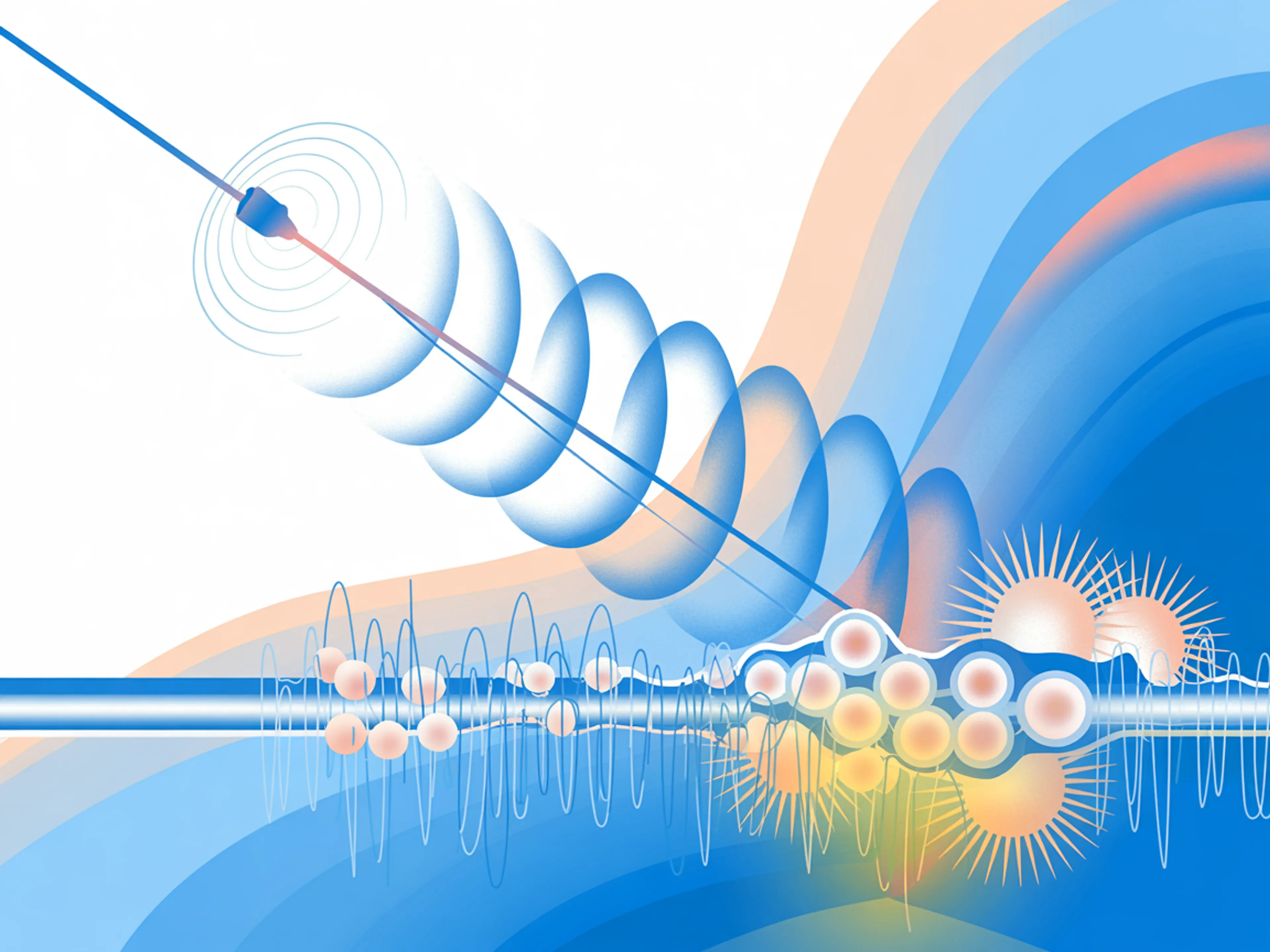
The term sounds alarming, but these aren't electric shocks. Li-ESWT uses focused pulses of acoustic energy—controlled sound waves, like ripples in a pond, delivered at low intensity to stimulate your body's natural healing responses. No pain, no needles, no surgery.

Understanding the Physics Behind Li-ESWT

Treatment Benefits

Why Men Choose Li-ESWT

Non-Invasive Treatment

No needles, no surgery, no anaesthesia required. Sessions are performed at specialist centres with minimal discomfort.

Quick Sessions

Each treatment takes only 15-20 minutes. You can return to normal activities immediately afterwards.

Addresses Root Causes

Unlike pills that work temporarily, Li-ESWT may stimulate natural tissue repair and improve penile blood flow.

Excellent Safety Profile

Well-tolerated with minimal side effects. Suitable for many men who cannot take oral medications.

How Li-ESWT Stimulates Natural Healing

The question I'm most frequently asked is: "How can sound waves actually help with erectile problems?" It's a fair question, and the answer lies in the remarkable biological cascade these acoustic pulses trigger within treated tissues.

Li-ESWT works through a process called mechanotransduction—essentially, your cells convert the mechanical energy from shockwaves into biological signals.

Illustration showing acoustic waves triggering tissue regeneration through mechanotransduction. How shockwave therapy activates tissue repair through mechanotransduction

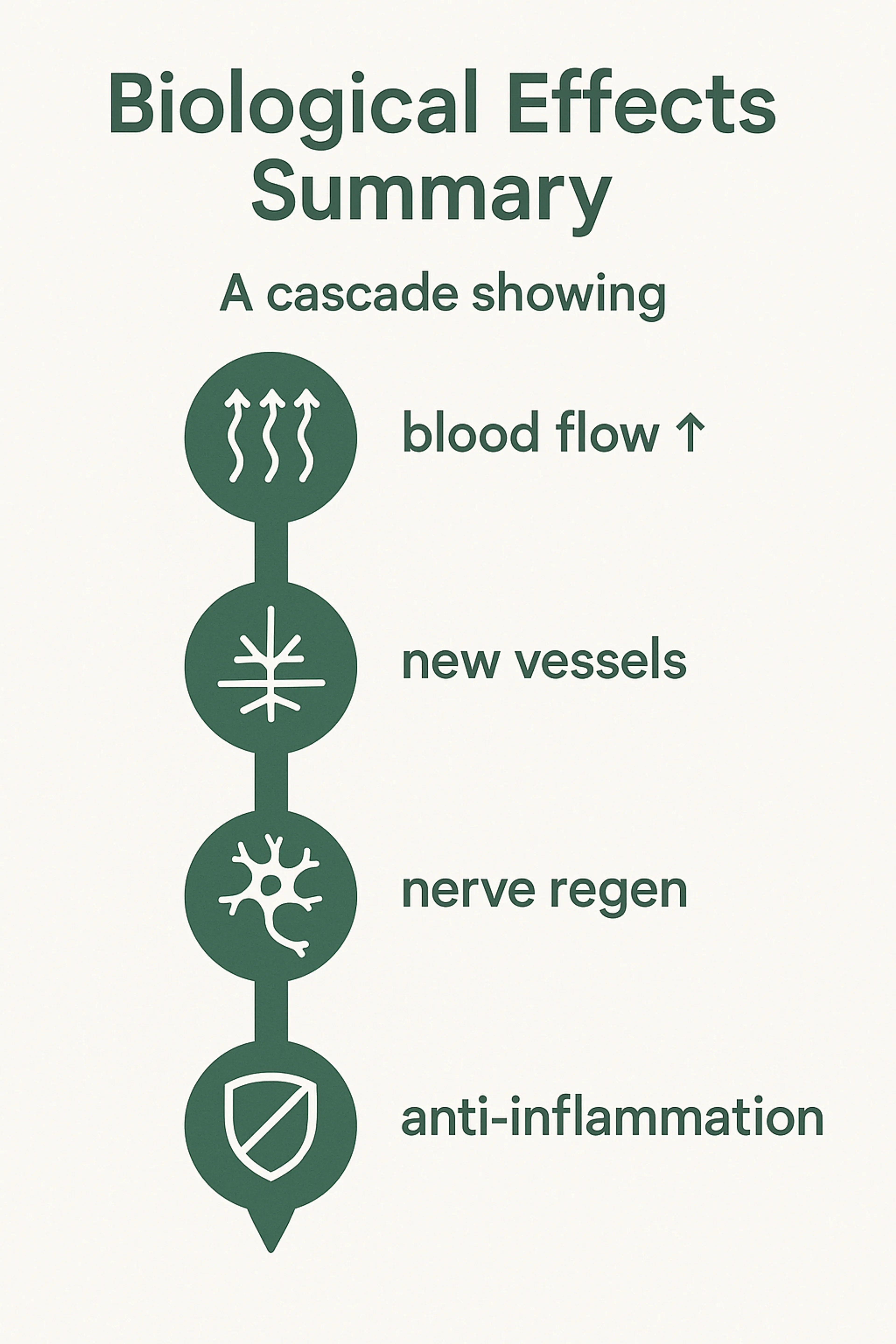
These signals then activate several key healing mechanisms:

The Biological Science of Regeneration

Conditions We Treat with Li-ESWT

Li-ESWT isn't a universal solution for all urological concerns, but clinical research has demonstrated promising results for several specific conditions. Let me explain who might benefit:

Erectile Dysfunction Treatment with Li-ESWT

Peyronie's Disease and Li-ESWT

Premature Ejaculation Applications

Chronic Pelvic Pain Relief

Your Li-ESWT Treatment Journey: What to Expect

I understand that embarking on any new treatment can feel daunting. Transparency and clear communication are fundamental to how I work, so let me walk you through exactly what to expect from your Li-ESWT journey.

Step 1: Initial Consultation

Step 2: Treatment Sessions

Step 3: Follow-Up Care

Exceptional safety profile

One of the most compelling aspects of Li-ESWT is its excellent safety record. When performed by experienced practitioners using appropriate protocols, serious adverse events are virtually unreported in the literature.[8]

Common experiences (not complications)

    • Mild tingling or tapping sensation during treatment (expected)
    • Temporary redness at treatment sites (uncommon, resolves quickly)
    • Occasional minor bruising (rare)

No systemic effects

Because the energy is delivered locally to the treatment area, there are no reported systemic side effects. Your cardiovascular system, liver, kidneys—all unaffected.

Contraindications we screen for

Whilst Li-ESWT is safe for most men, there are some situations where treatment isn't advisable:[1],[2]

    • Active infections in the treatment area
    • Bleeding disorders or anticoagulation therapy (requires careful assessment)
    • Penile implants already in place
    • Certain neurological conditions affecting the pelvis
    • Active cancer in the treatment region

During your consultation, we'll carefully review your medical history to ensure Li-ESWT is safe for you.

Comparison with other treatments

Compared to penile injections (risk of priapism, scarring), oral medications (potential cardiovascular effects, side effects), or surgery (anaesthetic risks, complications), Li-ESWT represents a remarkably low-risk option.

Myth-Busters: Separating Fact from Fiction

Myth vs Fact

Fact

This confusion arises from high-intensity shockwave therapy used for kidney stones, which can indeed be uncomfortable. Li-ESWT uses much lower energy levels. Most men describe the sensation as a painless tapping or tingling. No anaesthesia is required, and treatment is performed whilst you're fully awake and comfortable.

Fact

Li-ESWT is fundamentally different from oral medications. Whilst Viagra works within an hour by temporarily enhancing blood flow, Li-ESWT aims to stimulate actual tissue regeneration and vessel growth—a biological process that takes weeks to months. You won't notice improvements the day after your first session. Patience is essential, but the potential benefit is more sustained improvement rather than temporary enhancement.

Fact

I must be honest about this. Li-ESWT can produce meaningful, sustained improvements for many men, but calling it a "permanent cure" would be misleading. Erectile function exists on a continuum and is influenced by ongoing factors like ageing, cardiovascular health, and lifestyle. Many men maintain improvements for months to years, but some require maintenance treatments. It's a powerful tool, but managing expectations realistically is crucial.

Fact

Medical-grade shockwave devices used in specialist centres deliver precisely calibrated energy levels and require trained operation for both safety and efficacy. Consumer devices marketed for home use typically operate at much lower power levels and lack the focused energy delivery of clinical equipment. I strongly advise against attempting self-treatment—you risk ineffective therapy at best, and potential harm from incorrect application at worst. Treatment should always be administered by qualified professionals at certified centres.

Fact

Whilst ED is the most extensively studied application, Li-ESWT has shown promise for Peyronie's disease pain, chronic pelvic pain syndrome, and emerging evidence for premature ejaculation. The biological mechanisms—improved blood flow, reduced inflammation, tissue regeneration—are relevant to various urological conditions.

Fact

Individual variation in response is significant. Factors affecting outcomes include the underlying cause of your condition, severity, duration, age, comorbidities like diabetes, lifestyle factors, and the specific protocol used. Just because your friend or someone online didn't respond doesn't predict your outcome. This is why proper assessment and patient selection are so important—we're trying to identify who's most likely to benefit.

PDE5 inhibitors (Viagra, Cialis, Levitra) work by temporarily enhancing the relaxation of blood vessels in the penis, improving blood flow for a few hours after taking the pill. They're excellent for on-demand treatment but don't address underlying vascular health.

Li-ESWT aims to stimulate actual regeneration of blood vessels and tissue.[1],[14] Rather than temporarily improving existing blood flow, we're trying to restore the vascular architecture itself. The trade-off is that results take longer to appear but may be more sustained. Some men use both—Li-ESWT to improve baseline function, with occasional PDE5 inhibitor use as needed.

This varies considerably between individuals. Clinical studies suggest improvements can persist for 12-24 months in many responders, with some men maintaining benefits longer. However, erectile function is influenced by ongoing factors—continued ageing, cardiovascular health changes, lifestyle—so maintenance may be needed.

Think of it like going to the gym: you build fitness through consistent training, but you need ongoing activity to maintain it. Some patients benefit from "top-up" sessions every 6-12 months, though optimal maintenance protocols are still being researched.

Yes, absolutely. There's no contraindication to continuing PDE5 inhibitors, penile injections, or other ED treatments whilst undergoing Li-ESWT. In fact, some research suggests combining Li-ESWT with PDE5 inhibitors may produce superior results.[9] We'll discuss your current medications during the consultation and develop a coordinated treatment plan.

This is an important question. If your ED is purely psychological in origin—for example, performance anxiety in a young man with completely normal vascular and neurological function—Li-ESWT is unlikely to be beneficial. The treatment works by improving tissue health and blood flow; it doesn't directly address psychological factors.

However, many cases of ED involve both physical and psychological components. Even if anxiety plays a significant role, improving your physical erectile capacity through Li-ESWT might boost confidence and reduce anxiety. In cases with mixed aetiology, I often recommend combining Li-ESWT with psychosexual counselling for optimal results.

Men with diabetes can certainly undergo Li-ESWT, and many do achieve improvements. However, I must be transparent: diabetes does appear to affect outcomes. Some studies suggest men with diabetes may experience less dramatic or less durable improvements compared to non-diabetic patients.[6]

This likely relates to the more complex pathophysiology of diabetes-related ED—it's not just vascular, but also involves nerve damage and metabolic factors. That said, diabetes isn't a contraindication, and many diabetic men still benefit meaningfully. Good glycaemic control is important for optimising results.

No, there's no credible evidence that Li-ESWT increases penile size. The treatment aims to improve vascular health and erectile function—your capacity to achieve firm, sustainable erections. Better erections may make your penis appear fuller, but this is improved tumescence, not actual tissue growth.

Be wary of clinics making claims about penile enlargement with shockwave therapy—such claims aren't supported by evidence and should raise red flags about the provider's integrity.

ED following prostate cancer treatment (surgery or radiation) presents unique challenges, as it often involves nerve injury rather than purely vascular issues. The evidence for Li-ESWT in this specific population is limited and mixed.

Some men with post-prostatectomy ED have reported improvements, potentially through enhanced penile blood flow and possibly nerve regeneration support. However, expectations should be carefully managed, as recovery is typically slower and less complete than with purely vascular ED.

For post-prostate cancer ED, I usually recommend penile rehabilitation programmes that might include Li-ESWT as one component alongside other strategies. We'd discuss this thoroughly during consultation.

This is a great question, and I appreciate the opportunity to explain my approach. Li-ESWT requires significant investment in specialist equipment (medical-grade devices cost tens of thousands of pounds), dedicated treatment spaces, and specially trained technicians.

Rather than duplicating this infrastructure, I've chosen to partner with established specialist centres that already have everything in place. This allows me to focus on what I do best: comprehensive urological assessment, patient selection, treatment planning, and ongoing clinical oversight.

You benefit from:

    • My specialist andrological expertise in determining suitability
    • Access to high-quality, certified equipment without added overhead costs
    • Centres with experienced staff who deliver hundreds of treatments
    • My continued involvement throughout your journey—I'm not handing you off, I'm coordinating your care

This collaborative model ensures optimal quality whilst keeping treatment accessible. You get my clinical expertise combined with specialist treatment delivery—the best of both worlds.

Private treatment in the UK

Li-ESWT for erectile dysfunction and other andrological conditions is primarily available through private healthcare in the UK. It's not typically covered by NHS services, though individual circumstances vary.

Factors affecting cost

    • Number of sessions required (typically 6-12)
    • Treatment centre location and overhead costs
    • Quality of equipment used
    • My consultation and assessment fees
    • Ongoing follow-up appointments

Understanding value

Whilst I cannot quote specific prices here (these are discussed during consultation), expect a complete course to represent a meaningful financial investment—comparable to other private medical procedures.

When considering value, reflect on:

    • Potential for sustained improvement in natural function
    • Excellent safety profile with minimal side effects
    • Non-invasive nature (no surgery, no anaesthesia)
    • Possibility of reduced long-term reliance on medications
    • Impact on quality of life and relationship wellbeing
    • My ongoing clinical oversight throughout your treatment

Transparent communication

During your initial consultation, we'll discuss all associated costs clearly and comprehensively. There will be no hidden fees or unexpected charges. You'll have complete clarity before committing to treatment, allowing you to make an informed financial decision.

Some patients find it helpful to discuss payment plans or medical financing options, which we can explore if cost is a concern.

Why Patients Choose This Collaborative Approach

Selecting where to receive treatment is a significant decision, particularly for something as personal as sexual health. Here's what distinguishes our integrated care model:

Our Commitment to Excellence

Specialist Urological Oversight

You're under the care of a Consultant Urological Surgeon specialising in andrology and men's sexual health. I'm not simply referring you away—I understand the complex pathophysiology underlying erectile dysfunction and remain involved throughout your journey.

Evidence-Based Protocols

Our partner centres use treatment protocols grounded in peer-reviewed research and international guidelines from organisations like the European Association of Urology (EAU) and British Association of Urological Surgeons (BAUS). We don't follow trends—we follow evidence.

Medical-Grade Technology

Our partner centres invest in certified, clinical-grade shockwave equipment specifically designed for andrological applications. Equipment quality directly impacts both safety and outcomes.

Patient-Centred Care

Your comfort, confidentiality, and emotional wellbeing are paramount. We provide a discreet, professional environment where you can discuss sensitive concerns openly without judgement. This isn't just about treating a condition—it's about supporting you as a person.

Holistic Approach

I consider the complete picture: cardiovascular health, lifestyle factors, psychological wellbeing, relationship dynamics. Li-ESWT may be part of your treatment plan, but we'll discuss all appropriate options—sometimes combining approaches yields optimal results.

Honest Communication

I pride myself on transparency. If Li-ESWT isn't appropriate for you, I'll tell you directly and recommend better alternatives. My reputation is built on integrity, not on persuading everyone to undergo treatment.

Take the First Step Towards Improved Sexual Function

If you're experiencing erectile dysfunction, Peyronie's disease pain, premature ejaculation, or chronic pelvic pain, you don't have to accept diminished quality of life. Effective, evidence-based help is available.

Li-ESWT represents a genuine advancement in non-invasive treatment for carefully selected patients. Whilst it's not suitable for everyone, for many men it offers a scientifically supported pathway to improved natural function without surgery or daily medication.

The conversation starts with a consultation. No pressure. No rushed decisions. Just thorough assessment, honest discussion, and collaborative decision-making about what's right for you.

Contact Our Team with Questions

Explore All ED Treatment Options


References & Evidence Base

The information presented is based on current clinical evidence and established urological practice. All references are clickable for your convenience:

    1. Liu CC, Liang CJ, et al. Therapeutic Effects of Low-Intensity Extracorporeal Shockwave Therapy on Erectile Dysfunction: Recent Advances and Future Directions.
    1. Transl Androl Urol.
    1. 2021;10(6):2620-2631.
    1. [PubMed]
    1. Man L, Li G. Effects of Low-Intensity Extracorporeal Shockwave Therapy on Erectile Dysfunction: A Systematic Review and Meta-Analysis.
    1. J Coll Physicians Surg Pak.
    1. 2018;28(10):793-798.
    1. [PubMed]
    1. Fojecki GL, Tiessen S, Osther PJS. Effect of Low-Intensity Extracorporeal Shock Wave Therapy on Erectile Dysfunction: A Systematic Review and Meta-Analysis.
    1. Scand J Urol.
    1. 2017;51(2):87-94.
    1. [PubMed]
    1. Baccaglini W, Pazeto CL, et al. Low-intensity extracorporeal shock wave therapy effectiveness in the treatment of premature ejaculation: a randomized controlled trial.
    1. Int J Impot Res.
    1. 2023 Aug 23.
    1. [PubMed]
    1. Zeng XY, Liang C, et al. Efficacy and Safety of Low-Intensity Extracorporeal Shock Wave Therapy for Chronic Prostatitis/Chronic Pelvic Pain Syndrome: A Systematic Review and Meta-Analysis.
    1. World J Mens Health.
    1. 2021;39(3):507-517.
    1. [PubMed]
    1. Kitrey ND, Gruenwald I, et al. Penile low intensity shock wave treatment is able to shift patients from nonresponders to responders to PDE5 inhibitors.
    1. J Urol.
    1. 2016 May;195(5):1550-4.
    1. [PubMed]
    1. Vardi Y, Appel B, et al. Can low-intensity extracorporeal shockwave therapy improve erectile function? A 6-month follow-up pilot study in patients with organic erectile dysfunction.
    1. Eur Urol.
    1. 2010 Aug;58(2):243-8.
    1. [PubMed]
    1. Hong YK, Shin YS, et al. Safety and Feasibility of Low-Intensity Extracorporeal Shock Wave Therapy for Erectile Dysfunction in Patients With Cardiovascular Disease: A Pilot Study.
    1. Korean J Urol.
    1. 2015 Oct;56(10):708-14.
    1. [PubMed]
    1. Joniau S, Van den Bergh L, et al. Low-intensity extracorporeal shockwave therapy in combination with phosphodiesterase type 5 inhibitors improves erectile function in patients with moderate erectile dysfunction: a double-blind, randomized, sham-controlled clinical trial.
    1. Eur Urol Focus.
    1. 2021 Nov;7(6):1221-1228.
    1. [PubMed]
    1. Clavijo RI, Kohn TP, et al. Effects of Low-Intensity Extracorporeal Shockwave Therapy on Erectile Dysfunction: A Systematic Review and Meta-Analysis.
    1. J Sex Med.
    1. 2017 Jan;14(1):27-35.
    1. [PubMed]
    1. Russo GI, Morgia G. Low-Intensity Shock Wave Treatment for Erectile Dysfunction: Is the Evidence Strong Enough?
    1. Urology.
    1. 2018 Dec;122:29-34.
    1. [PubMed]
    1. Lu Z, Lin G, et al. Low-intensity extracorporeal shock wave treatment improves erectile function: a systematic review and meta-analysis.
    1. Eur Urol.
    1. 2017;71(2):223-233.
    1. [PubMed]
    1. Palmieri A, Imbimbo C, et al. A first prospective, randomized, double-blind, placebo-controlled clinical trial evaluating extracorporeal shock wave therapy for the treatment of Peyronie's disease.
    1. Eur Urol.
    1. 2009 Oct;56(4):363-9.
    1. [PubMed]
    1. Lin G, Reed-Maldonado AB, et al. Effects of low-intensity extracorporeal shockwave therapy on vasculogenic erectile dysfunction: the potential role of vascular endothelial growth factor and angiogenesis.
    1. Int J Impot Res.
    1. 2017 Mar;29(2):77-82.
    1. [PubMed]
    1. Olsen AB, Persiani M, et al. Can low-intensity extracorporeal shockwave therapy improve erectile dysfunction? A prospective, randomized, double-blind, placebo-controlled study.
    1. Scand J Urol.
    1. 2015 Feb;49(1):67-72.
    1. [PubMed]
    1. Angulo JC, Arance I, et al. Efficacy of Low-Intensity Shock Wave Therapy for Erectile Dysfunction: A Systematic Review and Meta-Analysis.
    1. Actas Urol Esp.
    1. 2017 Sep;41(7):479-490.
    1. [PubMed]
    1. Srini VS, Reddy RK, et al. Low intensity extracorporeal shockwave therapy for erectile dysfunction: a study of 108 patients.
    1. Can J Urol.
    1. 2015 Jun;22(3):7825-30.
    1. [PubMed]
    1. Zimmermann R, Cumpanas A, et al. Extracorporeal shock-wave therapy for treating chronic pelvic pain syndrome: a feasibility study and the first clinical results.
    1. BJU Int.
    1. 2008 Aug;102(8):976-80.
    1. [PubMed]
    1. Moayednia A, Haghdani S, et al. Long-term effect of extracorporeal shock wave therapy on the treatment of chronic pelvic pain syndrome due to non bacterial prostatitis.
    1. J Res Med Sci.
    1. 2014 Apr;19(4):293-6.
    1. [PubMed]

Additional Guidelines Consulted:

    • NICE Clinical Guideline: Erectile Dysfunction: Assessment and Management. National Institute for Health and Care Excellence (UK).
    • Hatzimouratidis K, Salonia A, et al. EAU Guidelines on Male Sexual Dysfunction: Erectile Dysfunction and Premature Ejaculation. European Association of Urology. Updated annually.
    • BAUS Section of Andrology Guidelines. British Association of Urological Surgeons.

Note: This list represents key high-quality studies and reviews. Treatment decisions are based on comprehensive evidence review and individual patient assessment.

PIF TICK Accreditation

This content has been developed in accordance with Patient Information Forum (PIF TICK) quality principles for health information. We are committed to providing evidence-based, transparent, and accessible information to support informed healthcare decisions.

Learn more about PIF TICK standards

About the Author

Mr Giangiacomo (GG) Ollandini
MD, MSc, FRCS (Eng),
Consultant Urological Surgeon

Learn more about Mr Ollandini

Medical Disclaimer: This is educational content, not medical advice. Li-ESWT is an evolving field with mixed evidence quality. Individual results vary—no treatment is guaranteed effective for everyone. Consult a specialist urologist for personalised diagnosis and treatment. Always discuss risks, benefits, and alternatives before proceeding with any medical treatment. Last reviewed: January 2026 | Next review: January 2027