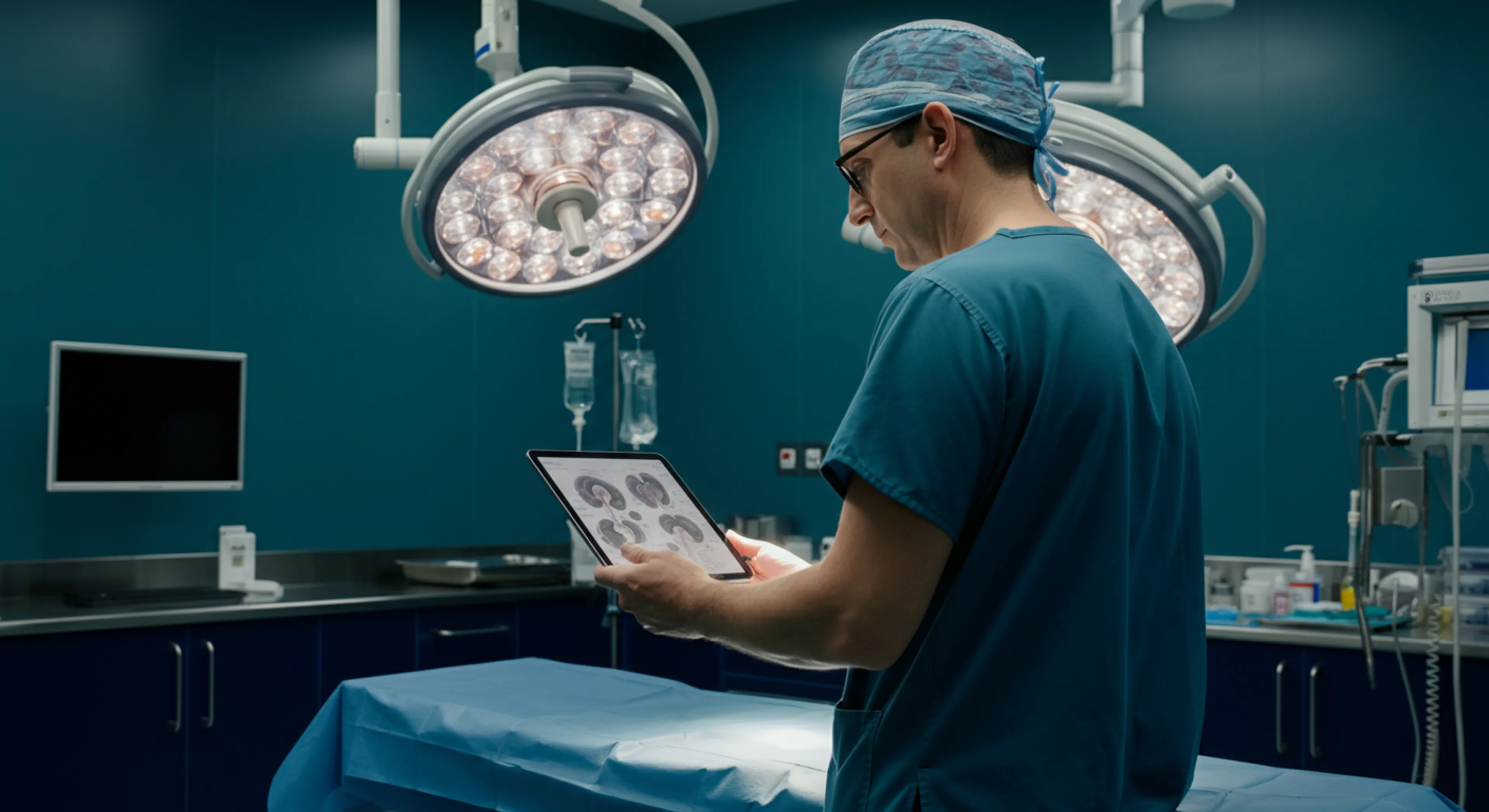
At the end of the day, my priority is your health and well-being. Whether you're dealing with a complex urological issue or seeking advice on a sensitive matter, I am here to provide the expert care you need with the compassion and understanding you deserve.
Surgery for BPH & Enlarged Prostate in London
Surgery for LUTS and Enlarged Prostate (BPH)
Have severe LUTS or BPH symptoms? Find out when surgery is recommended, compare modern options (TURP, HoLEP, Aquablation), and learn about risks, recovery, and sexual side effects. Expert UK guidance.
Surgery for Bladder Outlet Obstruction
When medication and lifestyle changes aren't enough, surgery can offer lasting relief. This guide explains your options in plain terms — what each procedure involves and how to choose the right approach for your situation.
Most men with LUTS (lower urinary tract symptoms — problems with urination) get enough relief from lifestyle changes or medication. For some, though, symptoms carry on despite the best treatment. Side effects may limit medication use, or complications may arise that need a more definitive solution. If you are considering surgery — or if I have recommended it — this page will help you understand what lies ahead.
At a glance
Surgery is rarely the first step
— it's usually considered when other treatments haven't provided adequate relief
Multiple options exist
— from established procedures with decades of data to newer minimally invasive techniques
Trade-offs vary
— different procedures balance symptom relief, recovery time, and sexual function differently
Anatomy influences choice
— prostate size and shape determine which procedures are technically suitable
Most surgery isn't urgent
— there's usually time for careful consideration and discussion
Your priorities matter
— the "best" procedure depends on what matters most to you
Understanding bladder outlet obstruction
Bladder outlet obstruction happens when something blocks urine flow from your bladder. In men, the most common cause is BPH (benign prostatic hyperplasia — a non-cancerous enlargement of the prostate). BPH gradually compresses the urethra (the tube that carries urine out of the body).
Medical Evidence
Gravas S, Cornu JN, Gacci M, et al. EAU Guidelines on Management of Non-neurogenic Male Lower Urinary Tract Symptoms. European Association of Urology. 2024.
Source:UROWEB.ORG
The prostate gland surrounds the urethra just below the bladder. As the prostate enlarges — a near-universal process in ageing men — it can compress this channel like a hand squeezing a garden hose. The result is reduced flow, difficulty starting urination, incomplete emptying, and the constellation of symptoms we call lower urinary tract symptoms (LUTS).
Obstruction has two components: static obstruction from the physical bulk of enlarged tissue, and dynamic obstruction from smooth muscle tension in the prostate and bladder neck. Medications like the alpha-blockers primarily address the dynamic component; 5ARI primarily the static; surgery addresses both.
Left untreated, significant obstruction can lead to complications beyond bothersome symptoms. The bladder muscle may thicken and eventually weaken from working against resistance. Incomplete emptying increases infection risk. In severe cases, back-pressure can affect the kidneys. These complications, when present, often strengthen the case for surgical intervention.
Before recommending surgery, I assess the degree of obstruction through flow rate measurement (uroflowmetry), post-void residual volume (how much urine remains after voiding), symptom questionnaires, and sometimes pressure-flow studies (urodynamics) that directly measure the relationship between bladder pressure and urine flow. This assessment helps determine both whether surgery is appropriate and which procedures are most suitable.
When Is Surgery for LUTS Recommended?
Surgery is not inevitable, and it is rarely urgent. There are, however, clear situations where a procedure offers real advantages over continuing with medication.
Common reasons surgery is considered
Persistent symptoms despite medication: If you have given tablets a fair trial — usually several months — and symptoms are still bothersome, surgery may offer what medication cannot.
Intolerable medication side effects: Some men find that the side effects of BPH medications — dizziness, sexual changes, fatigue — outweigh the benefits. Surgery offers an alternative.
Complications of obstruction: Acute urinary retention (sudden inability to pass urine), recurrent urinary tract infections, bladder stones, or signs of kidney strain from back-pressure all strengthen the case for intervention.
Personal preference for definitive treatment: Some men prefer a one-time procedure over years of daily medication. This is a valid reason to consider surgery.
One of the most important things to understand is that LUTS surgery is rarely an emergency. This matters because it allows space for proper assessment, reflection, and unhurried discussion. Rushing into the wrong procedure can be more harmful than taking time to choose the right one.
In most cases, delaying surgery by weeks or even months while you consider options does not reduce future success. The exception is when complications are present — retention, significant kidney impairment, or recurrent infections warrant more prompt attention.
I encourage patients to use the time available to understand their options thoroughly. A decision made with confidence and realistic expectations leads to better outcomes and greater satisfaction than one made under pressure.
Uncertainty is entirely reasonable. Surgery involves trade-offs, and the "right" decision depends on factors that only you can weigh — how much symptoms bother you, how important sexual function preservation is, how you feel about the various risks and benefits.
My role is to provide information and guidance, not to push you toward any particular choice. If you're uncertain, we can discuss your specific situation, clarify what each option would mean for you personally, and — if helpful — revisit the decision after a period of reflection.
Is surgery inevitable if I have an enlarged prostate?
Will waiting make surgery more difficult later?
Can I try a less invasive option first and have more surgery later if needed?
What Are the Main Surgical Options for LUTS and BPH?
Choosing the right procedure is not about picking the “best” surgery. It is about finding the best match between a procedure and your individual circumstances, anatomy, and priorities.
Anatomy comes first
Prostate size and shape strongly influence which procedures are technically suitable. A technique that works well for one configuration may be suboptimal — or unsuitable — for another.
Procedures differ in how much tissue they can effectively address. Some work well across all sizes; others are optimised for specific ranges. Very small prostates causing obstruction may not need tissue-removing surgery at all. Very large prostates may exceed the capacity of some techniques while being ideal for others.
During assessment, I'll determine your prostate volume through ultrasound or other imaging. This measurement — typically expressed in cubic centimetres or grams — helps narrow the suitable options.
The prostate has several lobes, including lateral lobes on either side of the urethra and a median (middle) lobe that can project upward into the bladder. A prominent median lobe can be particularly obstructive and influences procedure selection — some minimally invasive options are less effective when significant median lobe enlargement is present.
Balancing efficacy against side effects
A general principle applies across BPH surgery: the more tissue removed, the greater and more lasting the urinary improvement — but also the higher the chance of ejaculatory changes. Less invasive approaches preserve sexual function better but may give less complete or less lasting symptom relief.
Many men are surprised to learn that ejaculation and orgasm are separate physiological processes. Ejaculation involves the expulsion of semen; orgasm is the pleasurable sensation that typically accompanies it. Some procedures affect the direction of semen flow — causing retrograde ejaculation where semen flows backward into the bladder — without affecting the sensation of orgasm.
Whether this matters depends entirely on your priorities, fertility plans, and personal sense of what's important. For some men, preserving normal ejaculation is paramount; for others, it's a minor consideration compared to urinary improvement. There's no universally "correct" view — only what's right for you.
Erectile function — the ability to achieve and maintain erections — is generally preserved well across most BPH procedures. The risk of erectile dysfunction is relatively low with modern techniques, though not zero. Procedures that preserve ejaculation also tend to have favourable erectile function profiles, but the two are not identical.
Recovery and lifestyle factors
Procedures differ substantially in recovery. Some need hospital stays and catheter use for days; others are day-case procedures with minimal downtime. Some give rapid improvement; others take weeks or months before full benefit emerges. Your work, travel commitments, and personal circumstances all influence which recovery profile suits you best.
Evidence maturity
Some techniques have decades of outcome data; others are newer with promising but shorter-term evidence. Neither is automatically better. Established procedures offer predictability. Newer approaches may offer advantages, but with less certainty about long-term outcomes. Knowing where each option sits on this spectrum helps set realistic expectations.
Established surgical treatments
These procedures have built up extensive evidence over decades. They have clear efficacy profiles and well-understood outcomes. They remain the benchmark against which newer techniques are measured, and continue to offer excellent results for suitable patients.
TURP — Transurethral Resection of the Prostate
TURP (transurethral resection of the prostate — an operation to remove part of the prostate through the urethra) has been the reference standard for surgical BPH treatment for over fifty years. Despite newer technologies, it remains effective, widely available, and thoroughly understood. If BPH surgery had a “gold standard”, TURP would be it.
The basics
Endoscopic procedure through the urethra — no external incisions
Uses an electrically heated wire loop to remove prostate tissue
Performed under spinal or general anaesthesia (pain relief that numbs the area or sends you to sleep)
Hospital stay usually 1–2 nights
Temporary catheter for 1–3 days typically
A specialised instrument called a resectoscope is passed through the urethra to reach the prostate. Through the scope, I can see the obstructing tissue and use an electrically heated wire loop to shave it away in small chips. These chips are washed out and collected.
One advantage of TURP is that the removed tissue can be examined under a microscope. This occasionally identifies unexpected pathology — including, rarely, prostate cancer that wasn't detected beforehand. While this isn't the primary purpose of the procedure, it provides diagnostic information that tissue-destroying techniques cannot.
The electrical current simultaneously cuts tissue and seals blood vessels, but some bleeding is inevitable. A catheter remains in place after surgery to allow the surgical site to heal and to wash out any blood clots. Once the urine runs clear and you're comfortable, the catheter is removed and you can go home.
TURP delivers substantial symptom relief for the large majority of patients — approximately 80–90% report significant improvement. Urinary flow rates typically increase dramatically. Bothersome symptoms of hesitancy, weak stream, incomplete emptying, and frequency generally improve markedly.
These improvements tend to be durable, lasting many years for most patients. However, the prostate tissue that remains can continue to grow, and some men eventually require retreatment — though this typically takes a decade or more if it occurs at all.
Ejaculatory changes are the most common lasting effect, occurring in approximately 65–75% of patients. Retrograde ejaculation — where semen flows backward into the bladder rather than being expelled — results from necessary tissue removal at the bladder neck. This doesn't affect orgasmic sensation and isn't harmful, but it's permanent and eliminates fertility through intercourse.
Erectile function is preserved in most patients, though approximately 5–10% report changes. The mechanism isn't entirely clear and may relate to thermal effects on nearby structures.
Bleeding during and after surgery requires careful management. Blood in the urine for several weeks during healing is expected and normal. More significant bleeding occasionally requires intervention.
Other potential complications include urinary tract infection, temporary incontinence (usually resolving within weeks to months), and scarring causing urethral stricture or bladder neck contracture in a small percentage of cases.
Traditional TURP uses glycine solution for irrigation, which in rare cases can be absorbed into the bloodstream causing a complication called TUR syndrome. Bipolar TURP uses saline irrigation instead, eliminating this risk entirely.
Bipolar technology may also reduce bleeding and potentially allows treatment of somewhat larger glands with improved safety. Many centres now use bipolar as standard, though clinical outcomes are broadly similar to traditional monopolar TURP.
Best suited for: Prostates in the moderate size range (typically 30–80cc) where a definitive, lasting result is desired and preserving ejaculation is not the main concern.
Laser prostate surgery
Laser technology has transformed prostate surgery. Modern laser techniques match or exceed TURP efficacy while offering specific advantages for certain men. Two main approaches exist: enucleation (removing the entire adenoma) and vaporisation (destroying tissue with laser energy).
Enucleation techniques: HoLEP and ThuLEP
Laser enucleation is the most thorough form of endoscopic prostate surgery. It removes the entire obstructing adenoma rather than simply creating a channel through it. This approach offers exceptional durability and effectiveness across all prostate sizes.
Using holmium (HoLEP) or thulium (ThuLEP) laser energy, the entire inner prostate gland — the adenoma — is separated from its surrounding capsule, much like peeling an orange. The adenoma is then pushed into the bladder and removed using a morcellator, which cuts it into small pieces for extraction.
Because the entire adenoma is removed rather than just part of it, regrowth requiring retreatment is exceptionally rare — among the lowest of any BPH procedure.
Unlike TURP, which becomes less practical as prostate size increases, enucleation works effectively across all sizes — including very large glands that would traditionally have required open surgery. This versatility represents a significant advantage, offering a single approach regardless of prostate volume.
Symptom relief is excellent, comparable or superior to TURP, with particularly impressive long-term durability. The comprehensive nature of tissue removal means the retreatment rate over subsequent decades is very low.
Ejaculatory changes occur at rates similar to TURP — this reflects the thorough nature of adenoma removal rather than any deficiency of the technique. Temporary urgency and occasional incontinence during healing are common but typically resolve.
Surgeon expertise significantly influences outcomes. Enucleation has a substantial learning curve, and results from experienced centres consistently exceed those from lower-volume practitioners.
Best suited for: All prostate sizes, but particularly valuable for larger glands where complete adenoma removal offers clear advantages over partial resection.
Vaporisation: GreenLight / PVP
Photoselective vaporisation uses high-powered laser energy to vaporise prostate tissue rather than removing it intact. It offers excellent bleeding control, making it particularly valuable for specific groups of men.
A high-powered laser (producing characteristic green light) is directed at prostate tissue through an endoscope. The laser energy is selectively absorbed by blood, instantly vaporising targeted tissue while simultaneously sealing blood vessels. The result is efficient tissue removal with minimal bleeding.
The exceptional haemostasis (bleeding control) makes vaporisation particularly suitable for patients on anticoagulant medications who face higher bleeding risks with other procedures. Many such patients can undergo GreenLight surgery without stopping their blood thinners — an important advantage when anticoagulation is medically necessary.
Because tissue is destroyed rather than removed, no pathological specimen is obtained — the diagnostic opportunity that TURP and enucleation provide is lost.
Post-operative irritative symptoms — burning, urgency, frequency — may be more pronounced and prolonged than with other techniques, likely reflecting thermal effects on surrounding tissue.
The technique is best suited for small-to-moderate sized prostates. Very large glands are better addressed by enucleation.
Long-term retreatment rates may be slightly higher than with enucleation, though for most patients this difference is not clinically significant.
Best suited for: Small-to-moderate sized prostates, particularly in men on anticoagulation where bleeding risk is a primary concern.
Open simple prostatectomy
Open surgery to remove the prostate adenoma is the most invasive approach. It remains appropriate in exceptional circumstances where endoscopic methods are not practical.
Open prostatectomy is now typically reserved for extremely large prostates exceeding the capacity of even enucleation techniques, or when concurrent procedures (such as bladder stone removal or bladder diverticulum repair) are needed at the same time.
The procedure involves an abdominal incision, removal of the adenoma through the bladder or prostate capsule, and several days of hospital recovery. It's highly effective but substantially more invasive than endoscopic alternatives.
Robotic-assisted and laparoscopic versions of this surgery can reduce invasiveness while achieving similar outcomes, though availability varies.
Best suited for: Very large prostates where endoscopic approaches are not practical, or when concurrent bladder surgery is required.
Is TURP still relevant with newer options available?
How do I know if laser surgery is better for me than TURP?
Will I definitely lose normal ejaculation with these procedures?
Minimally invasive surgical therapies (MIST)
A new generation of procedures aims to relieve prostatic obstruction while minimising impact on sexual function. These minimally invasive options typically involve less tissue destruction, shorter recovery, and substantially lower rates of ejaculatory and erectile dysfunction than traditional surgery.
The trade-off is that symptom relief may be somewhat less complete than with TURP or enucleation, and long-term durability data are still accumulating. Understanding this balance helps identify which approach best matches your priorities.
UroLift — Prostatic urethral lift
UroLift takes a fundamentally different approach. Rather than removing or destroying tissue, it mechanically holds the obstructing lobes apart using small permanent implants — like curtain tie-backs opening a channel through the prostate.
The basics
Small suture-based implants deployed through a cystoscope
No tissue cutting, heating, or removal
Usually performed as a day case under local anaesthesia with sedation
Most patients don't need a catheter afterwards
Very rapid recovery — often back to normal activities within days
Small implants are delivered through a cystoscope, passing through the obstructing prostatic tissue and anchoring on the outer capsule. When tensioned, these implants pull the lateral lobes apart, creating an open channel through the prostatic urethra.
Because no tissue is removed or destroyed, healing is rapid and the procedure's effects are immediate — many patients notice improved flow within days.
The defining feature of UroLift is its minimal impact on sexual function. Ejaculatory dysfunction is rare — dramatically different from the 65–75% rate with TURP. Erectile function is similarly well preserved.
For men who place high priority on maintaining normal ejaculation — whether for fertility, relationship, or personal reasons — this represents a transformative advantage. NICE has recognised this value and recommends UroLift as an option for suitable patients.
UroLift provides meaningful symptom improvement for most patients, with rapid onset of benefit. Quality of life improvements are substantial, and patient satisfaction is consistently high.
However, the magnitude of improvement in symptoms and flow rates is generally less than achieved with TURP or enucleation. For patients with severe obstruction seeking maximum possible urinary improvement, this difference may be significant. For those prioritising sexual function preservation, the trade-off may be entirely acceptable.
UroLift works best for prostates in the 30–80cc range without a large obstructing median lobe. The technique mechanically retracts lateral lobes; it's less effective when median lobe enlargement is the primary source of obstruction.
Retreatment rates are higher than with TURP or enucleation over extended follow-up. The prostate continues to grow around the implants, and some patients eventually require additional procedures. This doesn't preclude UroLift as an excellent initial choice, but realistic expectations about potential future treatment are important.
Recovery is typically rapid. Some temporary discomfort, urgency, and blood in the urine are common immediately after the procedure but usually resolve within days to weeks. Most patients return to normal activities very quickly — often within a day or two.
Best suited for: Men with moderate symptoms, prostates 30–80cc without prominent median lobe, who prioritise sexual function preservation and prefer rapid recovery — understanding that results may be less dramatic than traditional surgery and retreatment may eventually be needed.
Rezūm — Water vapour thermal therapy
Rezūm uses targeted steam injections to destroy obstructing prostate tissue while preserving sexual function. It has rapidly gained recognition as a cost-effective option with a strong balance of efficacy and tolerability.
The basics
Controlled injections of sterile water vapour (steam) into prostate tissue
Thermal energy causes targeted cell death
Body naturally reabsorbs dead tissue over weeks to months
Usually performed as a day case, often under local anaesthesia with sedation
Temporary catheter required for several days (typically 3–7 days)
A specialised device inserted through a cystoscope delivers precise nine-second bursts of steam directly into targeted areas of prostate tissue. The thermal energy from the steam causes cell death within the treatment zone.
Over the following weeks to months, the body's natural processes break down and reabsorb this dead tissue, reducing prostatic volume and relieving obstruction. This gradual process means improvement develops over time rather than immediately.
Like UroLift, Rezūm demonstrates excellent preservation of both ejaculatory and erectile function — markedly superior to traditional surgery. Studies consistently show low rates of sexual side effects, making it an attractive option for men prioritising this aspect of their outcome.
NICE has recommended Rezūm as a cost-effective option for suitable patients, recognising its value in the treatment landscape.
Symptom improvement develops gradually as tissue reabsorption occurs. Most patients notice significant benefit by three months, with continued improvement potentially extending to six months. The degree of improvement is meaningful for most patients, achieving substantial reductions in symptom scores and improvements in quality of life.
Unlike UroLift, Rezūm requires a temporary catheter. The steam treatment causes initial tissue swelling before the resorption process begins, and this swelling can temporarily worsen obstruction. A catheter remains in place — typically three to seven days — until swelling subsides sufficiently for voiding to resume.
For some patients, this catheter period is a significant consideration. For others, a few days of catheterisation is an acceptable trade-off for the procedure's benefits.
During the weeks following treatment, as tissue resorption occurs, some patients experience temporary symptoms including urgency, frequency, blood in urine or semen, and occasionally urinary tract infection. These healing-phase effects resolve as the process completes.
The delayed onset of benefit — in contrast to the immediate improvement with UroLift — requires patience. Full assessment of outcome should wait until at least three months post-procedure.
Best suited for: Men with moderate symptoms, prostates 30–80cc, who prioritise sexual function preservation and accept the trade-offs of temporary catheterisation and gradual rather than immediate improvement.
Aquablation
Aquablation uses robotic guidance and a high-velocity water jet to remove prostate tissue precisely. It sits between traditional surgery and minimally invasive options — offering efficacy comparable to TURP with reduced impact on sexual function.
The basics
Robotic system maps prostate using real-time ultrasound
High-velocity water jet removes tissue without heat
Usually overnight hospital stay with temporary catheterisation
Before treatment begins, real-time ultrasound creates a three-dimensional map of the prostate. I define the treatment boundaries on this image — specifying exactly how much tissue should be removed and where. The robotic system then executes this plan using a high-velocity water jet that precisely ablates tissue within the defined zone.
The non-thermal mechanism — using water pressure rather than heat — may contribute to the favourable sexual function outcomes observed with this technique.
Aquablation achieves symptom improvement and flow rate increases comparable to TURP, even in larger prostates. The robotic automation provides consistency that may reduce operator-dependent variability.
Particularly notable is the lower rate of ejaculatory dysfunction compared to TURP. While not as low as with UroLift or Rezūm, the reduction is clinically meaningful — positioning Aquablation as an option for patients seeking TURP-level efficacy with reduced (though not eliminated) sexual function impact.
Bleeding risk may be somewhat higher in the immediate post-operative period compared to TURP, occasionally requiring intervention. This reflects the non-thermal mechanism — water jet cutting achieves tissue removal without the simultaneous cauterisation that electrical or laser energy provides.
Aquablation is no longer an experimental option. Five-year results from its main trials (WATER and WATER II) show durable symptom relief and sustained preservation of sexual function, and on the strength of that evidence the European Association of Urology upgraded its 2026 guidance: Aquablation is now a strong recommendation as an alternative to TURP for men with moderate-to-severe symptoms and a prostate of 30 to 80 mL, particularly where preserving ejaculation matters to you. Two honest qualifications belong alongside that. First, "alternative" is the right word: the evidence base is non-inferiority to TURP, not superiority, and TURP remains the guideline's first-choice standard at this prostate size. Second, retreatment: over five years in the WATER trial, 5.1% of men who had Aquablation needed further surgery, against 1.5% after TURP. That difference matters when you weigh it against the ejaculation advantage, and you should have both figures, not just the flattering one. For prostates above 80 mL the evidence is weaker and Aquablation does not carry the same recommendation — there, enucleation and open surgery remain the standards. Data beyond five years are still accumulating, as they are for every technique introduced in the past decade, and durability against enucleation specifically remains to be established.
Specialised equipment requirements mean availability is limited to centres with the necessary infrastructure.
Best suited for: Men seeking efficacy comparable to TURP with reduced risk of ejaculatory dysfunction, including those with larger prostates where less invasive options may be insufficient.
Prostate artery embolisation (PAE)
Prostate artery embolisation takes a fundamentally different approach. Performed by interventional radiologists rather than urologists, it shrinks the prostate without any instrument entering the urinary tract.
The basics
Performed by interventional radiologists
Tiny catheters navigate to prostate arteries via groin or wrist
Microscopic particles block blood supply
Prostate gradually shrinks over weeks to months
Local anaesthesia with sedation; usually no catheter needed
Working through a small puncture in the groin or wrist artery, an interventional radiologist navigates tiny catheters into the arteries supplying the prostate using X-ray guidance. Microscopic particles are then injected to block these vessels, cutting off blood supply.
Deprived of its blood supply, prostate tissue gradually dies and shrinks over subsequent weeks to months, reducing obstruction.
PAE avoids urological surgery entirely — an appealing prospect for some patients. No instrument enters the urinary tract. General anaesthesia is not required. Sexual function is typically preserved. Recovery is rapid, usually without any catheter.
For patients who prefer to avoid surgery, those medically unfit for other procedures, or those simply wanting an alternative approach, PAE offers a genuine option.
Results are more variable than with surgical approaches. While many patients experience good improvement, response is less predictable than with tissue-removing procedures, and some patients do not achieve adequate relief.
Long-term durability is less established than for surgical options. Some patients eventually require additional treatment.
The procedure requires specific radiological expertise and equipment, limiting availability.
Post-embolisation syndrome — temporary flu-like symptoms with pelvic discomfort — commonly occurs as tissue responds to reduced blood supply.
Several guidelines consider PAE somewhat investigational, often recommending it within clinical trials or at experienced centres rather than as routine first-line treatment.
Best suited for: Men who prefer to avoid urological surgery, those who are medically unfit for other procedures, or those willing to accept less predictable results in exchange for a non-surgical approach.
iTIND — Temporary implantable nitinol device
iTIND uses a temporary device to reshape the prostatic channel through sustained pressure. The device is then removed, leaving no permanent implant.
A compressed nitinol (nickel-titanium alloy) device is placed in the prostatic urethra via cystoscope under local anaesthesia. Once positioned, the device expands, exerting sustained pressure on prostatic tissue for five to seven days. This pressure creates ischaemic changes that remodel and reshape the channel. The device is then removed during a second brief procedure.
The appeal lies in achieving tissue remodelling without permanent implants, ongoing medication, or extensive surgery. Sexual function is preserved. The procedure is minimally invasive.
However, tolerating the device for several days can cause discomfort. Symptom relief is generally less robust than with tissue-removing procedures. Long-term data remain limited.
Best suited for: Men seeking minimally invasive treatment without permanent implants, accepting that improvement may be more modest than with definitive procedures.
Are minimally invasive procedures as effective as TURP?
How do I choose between UroLift and Rezūm?
Will I need repeat treatment after a minimally invasive procedure?
Can I have TURP later if a minimally invasive procedure doesn't work well enough?
Procedures for refractory overactive bladder
When urgency, frequency, and urge incontinence persist despite medication and behavioural therapies, procedural interventions offer additional options. These approaches work through different mechanisms than oral medications — providing alternatives for men who have not responded adequately to conventional treatment.
Bladder Botox injections
Botulinum toxin injected into the bladder wall has transformed management of severe overactive bladder. For men who have exhausted other options, it can be genuinely life-changing.
The basics
Small doses of Botox injected directly into bladder wall
Performed via cystoscope, usually in clinic under local anaesthesia
Botulinum toxin blocks nerve signals that cause involuntary bladder muscle contractions — the overactivity driving urgency, frequency, and urge incontinence. By partially paralysing the overactive muscle, Botox reduces these abnormal contractions and increases the bladder's functional capacity.
For patients with refractory overactive bladder, Botox injections are highly effective — often providing dramatic relief when other treatments have failed. Many patients report transformative improvements in their quality of life.
The effect is temporary, typically lasting six to nine months before gradually wearing off. Ongoing repeat injections are required to maintain benefit.
By reducing bladder contractility, Botox can impair the bladder's ability to empty completely. Approximately 5–10% of patients experience temporary urinary retention requiring self-catheterisation until the effect partially wears off.
This possibility is a firm requirement for discussion before treatment. Patients must be willing and able to perform self-catheterisation if needed — this isn't optional. If you're unable or unwilling to catheterise yourself, Botox may not be appropriate for you.
Best suited for: Men with severe overactive bladder symptoms not adequately controlled by medication, who are willing and able to self-catheterise if needed, and who accept the need for repeated treatments.
Sacral neuromodulation
Sacral nerve stimulation offers an alternative for refractory overactive bladder. A surgically implanted device continuously modulates bladder nerve signalling, removing the need for periodic injections.
A small device similar to a cardiac pacemaker is implanted under the skin in the buttock region. A thin electrode positioned near the sacral nerves delivers continuous low-level electrical pulses that modulate the nerve signals controlling bladder function.
Treatment proceeds in two stages: a trial phase with an external stimulator assesses your response; if successful (at least 50% improvement), permanent implantation follows.
Once implanted, sacral neuromodulation provides continuous therapy without repeat procedures. There's no risk of retention requiring catheterisation. The device can be adjusted and reprogrammed as needed.
Surgical implantation carries associated considerations including potential lead migration, infection risk, and eventual battery replacement. Not everyone achieves adequate response during the trial phase. However, for appropriate candidates, it offers durable relief from severe symptoms.
Best suited for: Men with severe refractory overactive bladder seeking continuous therapy without repeated injections, who prefer to avoid catheterisation risk, and who are prepared for surgical device implantation.
TURP vs HoLEP vs Aquablation: How Do They Compare?
The following framework may help you organise your thinking about the surgical and procedural options available.
If maximum urinary improvement is your priority
TURP, laser enucleation (HoLEP/ThuLEP), and Aquablation offer the most robust symptom relief and flow improvement, with excellent long-term durability. These suit men whose symptoms are severely bothersome and for whom sexual function is a secondary concern.
If preserving ejaculation is essential
UroLift and Rezūm offer the best ejaculatory preservation, with very low rates of retrograde ejaculation. Aquablation sits in between — lower ejaculatory dysfunction rates than TURP, but more robust symptom relief than UroLift or Rezūm.
If you prefer to avoid permanent implants
Rezūm destroys tissue without leaving implants. iTIND uses a temporary device. TURP and laser surgery remove tissue without implants. PAE is entirely non-surgical.
If rapid recovery is important
UroLift typically offers the fastest recovery, often without catheterisation. GreenLight laser and PAE also allow a relatively quick return to normal activities. TURP and enucleation involve longer recovery periods.
If you're on blood thinners
GreenLight laser vaporisation offers excellent bleeding control, often allowing treatment without stopping anticoagulation. PAE avoids surgical bleeding entirely. Other procedures may need temporary anticoagulation adjustments.
Choosing the Right Procedure for You
Surgery for bladder outlet obstruction is rarely urgent. That means there is time to consider your options carefully. The goal is not simply to improve flow numbers on a test — it is to improve your quality of life in a way that aligns with your values and priorities.
Questions worth reflecting on
Which symptoms bother you most? (Flow problems? Frequency? Getting up at night? Urgency?)
How important is preserving normal ejaculation to you?
How much recovery time can you realistically accommodate?
Are you comfortable with the possibility of retreatment, or do you prefer a more definitive approach?
How do you feel about permanent implants?
What trade-offs feel acceptable to you?
There are no universally correct answers to these questions — only answers that are right for you. My role is to provide information, assess your anatomy, offer recommendations, and ultimately support whatever informed choice you make.
No procedure guarantees a perfect outcome. Statistics describe averages across populations; your individual result may be better or worse. Some uncertainty is unavoidable.
What you can control is making a well-informed decision that reflects your priorities. A choice made with understanding and realistic expectations — whatever that choice is — tends to lead to greater satisfaction than one made hastily or without full information.
If you're uncertain, that's fine. We can discuss further, you can take time to reflect, and the decision can wait until you feel ready.
Frequently asked questions
Hospital stay varies considerably depending on which procedure you have, and I'll discuss specific expectations during your consultation. As a general guide:
Day-case procedures (home the same day): UroLift, Rezūm, and prostate artery embolisation are typically performed as day cases. You'll arrive in the morning, have your procedure, recover for a few hours, and go home the same day provided you're comfortable and passing urine satisfactorily.
Overnight stay: TURP usually requires one to two nights in hospital. Laser enucleation (HoLEP) and Aquablation typically require one night. This allows time to monitor for bleeding, ensure you're voiding well once the catheter is removed, and manage any immediate post-operative discomfort.
Longer stays: Open prostatectomy, now uncommon, typically requires several days. Occasionally, unexpected bleeding or difficulty voiding after any procedure may extend an anticipated stay by a day or two.
I always advise patients to plan for the possibility of staying slightly longer than expected—it reduces stress if things don't go precisely to schedule, and you can be pleasantly surprised if you're home sooner.
This depends on both your procedure and the nature of your work. Recovery isn't simply about physical healing—it's about feeling well enough to concentrate, travel, and perform your role effectively.
Desk-based or light work: After minimally invasive procedures like UroLift, many patients return to sedentary work within a few days to a week. Following TURP or laser surgery, one to two weeks off work is typical, though some patients feel ready sooner.
Physically demanding work: Jobs involving heavy lifting, prolonged standing, or strenuous activity require longer recovery. I generally advise four to six weeks before returning to heavy physical work after TURP or laser surgery, and longer following open surgery. Returning too soon risks bleeding or discomfort that could set back your recovery.
Variable factors: Your general fitness, how smoothly your recovery proceeds, commute requirements, and workplace flexibility all influence realistic timelines. Some patients work from home within days; others prefer a clear break from work responsibilities during recovery.
During your consultation, I'll provide guidance tailored to your specific procedure and work circumstances. If you're self-employed or have limited sick leave, we can discuss strategies to minimise disruption.
Driving requires you to be alert, comfortable, and capable of performing an emergency stop without hesitation or pain. Several factors determine when this becomes possible:
Immediate restrictions: You must not drive for at least 24 to 48 hours after sedation or general anaesthesia—this is a legal and safety requirement, not merely advice. You also cannot drive while taking strong opioid painkillers, which impair reaction time and judgement.
Physical readiness: Beyond these mandatory restrictions, you can drive when you feel confident performing an emergency stop comfortably. This typically means:
After minimally invasive procedures: often within a few days to a week
After TURP or laser surgery: usually one to two weeks
After open surgery: typically three to four weeks
Insurance considerations: I recommend checking with your insurer, as some policies have specific post-operative requirements. Driving before you're genuinely ready risks both your safety and potential insurance complications if an incident occurs.
A useful test: sit in a stationary car and practise the emergency stop motion. If this causes discomfort or you hesitate, you're not ready. When the movement feels natural and pain-free, you can resume driving.
Both exercise and sexual activity involve physical exertion that could stress healing tissues or raise blood pressure, potentially causing bleeding. The timeline for resuming these activities depends on your procedure and individual recovery.
Light activity (walking, gentle stretching): This is encouraged from the first day after most procedures. Gentle movement promotes circulation, reduces blood clot risk, and supports overall recovery. Listen to your body—if something causes discomfort, ease back.
Moderate exercise (brisk walking, light cycling, swimming): Generally safe after two to three weeks for minimally invasive procedures, and three to four weeks after TURP or laser surgery. Avoid chlorinated pools until any catheter sites or incisions have fully healed.
Vigorous exercise (running, gym workouts, contact sports, heavy lifting): I advise waiting four to six weeks after most procedures, and longer following open surgery. Straining or high-impact activity too soon can cause bleeding, even when you feel well otherwise.
Sexual activity: I typically recommend waiting two to four weeks, depending on your procedure. This allows surgical sites to heal and reduces bleeding risk. When you do resume, take things gently initially. Some blood in the semen is common during the first few weeks after prostate surgery and isn't cause for alarm—it typically resolves spontaneously.
If you experience significant pain, fresh bleeding, or other concerns when resuming activity, stop and contact us. It's better to be cautious than to set back your recovery.
This is an important question, and I appreciate patients thinking ahead. While most procedures provide meaningful improvement, outcomes vary, and not everyone achieves the result they hoped for.
Realistic expectations: During consultation, I'll discuss what degree of improvement is realistic for your situation. Understanding likely outcomes helps distinguish between a procedure that hasn't worked and one that has worked but perhaps not as dramatically as hoped.
Assessing response: Full benefit from some procedures takes time to emerge—Rezūm, for example, improves gradually over months. We'll arrange follow-up appointments to assess your response objectively, using symptom scores, flow measurements, and your own experience.
If improvement is insufficient: Options remain available. Treatment can often be optimised—sometimes simple measures like addressing constipation, adjusting fluid intake, or adding medication complement a surgical result. If a minimally invasive procedure provides inadequate relief, more definitive surgery (such as TURP or laser enucleation) remains possible. If initial surgery was suboptimal, revision or alternative approaches may help.
The key point: Choosing one procedure doesn't close doors. I'll continue working with you to find solutions, and we'll discuss next steps if your initial treatment falls short of expectations.
I wish I could guarantee perfect outcomes, but honesty requires acknowledging that no procedure works perfectly for everyone. What I can offer is realistic guidance based on extensive evidence and experience.
Most patients improve significantly: Success rates vary by procedure, but the majority of patients experience meaningful symptom relief. For established procedures like TURP and laser enucleation, approximately 80–90% of patients report substantial improvement. Minimally invasive options have somewhat lower response rates but still benefit most patients.
Degree of improvement varies: Some patients experience dramatic, life-changing improvement. Others achieve more modest benefit—enough to make a meaningful difference but perhaps not complete resolution. A small minority don't respond as hoped.
Factors influencing outcomes: Your specific anatomy, the underlying cause of your symptoms, bladder function, and other individual factors all influence results. During assessment, I'll identify any factors that might affect your likely response and discuss these openly.
Managing uncertainty: Statistics describe averages across populations; your individual result will be somewhere on that spectrum. I can't predict exactly where, but I can help you understand realistic expectations and make an informed decision despite this uncertainty.
The goal is improvement in your quality of life, not perfect numbers on tests. Even modest objective improvement often translates to meaningful subjective benefit in daily lif
Yes, this is possible, though it varies substantially depending on which procedure you have and how much tissue is removed or treated.
Understanding why recurrence occurs: Most prostate surgery removes or treats the obstructing portion of the gland (the adenoma) while leaving the outer prostate intact. The remaining tissue can continue to grow over subsequent years, potentially causing symptoms to return.
Retreatment rates by procedure:
Laser enucleation (HoLEP): Very low retreatment rates because the entire adenoma is removed. Regrowth requiring further surgery is rare—among the lowest of any procedure.
TURP: Low retreatment rates, though somewhat higher than enucleation. Most patients enjoy lasting relief, but some eventually require further treatment, typically after a decade or more.
Minimally invasive procedures (UroLift, Rezūm): Higher retreatment rates than tissue-removing surgery. The prostate continues to grow around implants or treated areas, and some patients eventually need additional procedures. However, many still enjoy years of relief before this becomes necessary.
Prostate artery embolisation: Long-term durability is less established, and some patients require subsequent treatment.
Perspective: Even procedures with higher retreatment rates provide valuable years of improved quality of life. Choosing a less invasive option now doesn't preclude more definitive surgery later if needed. Many patients reasonably prefer this staged approach.
No—these are fundamentally different operations addressing different problems, and it's important to understand the distinction.
Surgery for benign obstruction (the procedures discussed in this guide) removes or treats the inner, obstructing portion of the prostate—called the adenoma—while leaving the outer prostate gland intact. The goal is relieving urinary obstruction, not removing the entire organ. Your prostate remains in place after these procedures.
Radical prostatectomy for cancer removes the entire prostate gland, including its outer capsule, along with the seminal vesicles. This is a much more extensive operation performed to eliminate cancerous tissue completely. The implications—including effects on continence and erectile function—are substantially different from benign prostate surgery.
Why this matters:
Recovery, risks, and outcomes differ significantly between these operations
Having surgery for benign obstruction doesn't mean you've "had your prostate removed"
You still have a prostate after TURP, laser surgery, or minimally invasive procedures, and it still requires monitoring (PSA testing) for prostate cancer as you age
If prostate cancer is detected after benign surgery, the full range of cancer treatment options remains available
If you have concerns about prostate cancer or questions about the relationship between benign enlargement and cancer risk, I'm happy to discuss these during consultation. They're common and entirely reasonable questions.
Myths and realities
Myth:
Prostate surgery always causes impotence.
Reality:
Erectile dysfunction risk varies by procedure but is relatively low with modern techniques. Most men maintain erectile function. Sexual side effects mainly involve ejaculation, not erection.
Myth:
Bigger, more aggressive surgery is always better.
Reality:
The best procedure is the one that matches your priorities. More extensive surgery may give greater urinary improvement but with a higher chance of ejaculatory changes. Less invasive options preserve function better but may give more modest improvement.
Myth:
If I have surgery once, I will definitely need it again.
Reality:
Many procedures give lasting relief for decades. Retreatment rates vary — lowest for enucleation, higher for some minimally invasive options — but most men do not need repeat surgery.
Myth:
Newer procedures are always better than established ones.
Reality:
Newer options offer different trade-offs, not automatic superiority. TURP remains an excellent procedure with thoroughly understood outcomes. Newer techniques may offer advantages for specific situations or priorities.
Myth:
Retrograde ejaculation means I cannot have orgasms.
Reality:
Ejaculation and orgasm are separate physiological processes. Retrograde ejaculation changes where semen goes but does not affect the pleasurable sensation of orgasm. Many men continue to enjoy satisfying sexual experiences despite ejaculatory changes.
Myth:
I should wait as long as possible before having surgery.
Reality:
Appropriate timing depends on individual circumstances. Waiting is not harmful when symptoms are stable, but delaying when complications are present — retention, infections, kidney strain — can be. Surgery when indicated should not be unnecessarily postponed.
Next steps
If you are considering surgery — or if I have recommended procedural treatment — you likely have questions specific to your situation. General information can only go so far. What matters is how these options apply to your particular anatomy, symptoms, health, and priorities.
During consultation, we can:
Review your assessment findings and what they mean for procedure selection
Discuss which options are technically suitable for your anatomy
Explore your priorities and how different trade-offs align with them
Address any questions or concerns you have
Develop a plan that feels right for you
If you have not yet been assessed, the first step is a consultation: symptom review, physical examination, and appropriate investigations. This gives us the information needed to discuss surgical options meaningfully.
Remember: there is rarely urgency. Take the time you need to understand your options and make a decision you feel confident about.
This information is for educational purposes and does not replace individual medical advice. If you have questions about your specific situation, please arrange a consultation.
Last reviewed: December 2024
Aquablation: where it now sits, and what the numbers actually say
Because guidance on this procedure changed recently, it is worth setting out plainly what the evidence supports.
On ejaculation, the European guideline reports that anejaculation occurred in around 10% of sexually active men after Aquablation, against roughly 36% after TURP. Across the pooled five-year data, between 81% and 90% of men retained antegrade ejaculation. You may see a more flattering pair of numbers quoted elsewhere — those come from a six-month adverse-event count in a single trial paper, not from the guideline, and I would rather give you the figure the guideline itself stands behind.
On effectiveness, Aquablation performs comparably to TURP on symptom scores and flow rate for prostates between 30 and 80 mL. Against laser enucleation, however, the picture is different: enucleation achieves greater flow improvement and more complete emptying, and remains the reference standard for larger glands.
On risks, bleeding in the early period deserves specific mention. In the WATER II study of 101 men with larger prostates, bleeding-related events occurred in around 14%, with eight men requiring a transfusion. De novo incontinence was around 2% at a year.
On availability in the UK, NICE states that transurethral water-jet ablation may be used provided standard arrangements are in place for clinical governance, consent and audit. That is a judgement about the adequacy of the evidence for normal clinical use — it is not a funding mandate, and whether it is available at a given NHS centre remains a local commissioning matter, further shaped by the specialised equipment each centre needs.
National Institute for Health and Care Excellence. Lower urinary tract symptoms in men: management. NICE guideline CG97. 2010 (updated 2023).
Source:NICE.ORG.UK
British Association of Urological Surgeons. TURP for benign disease. BAUS Patient Information Leaflet.
Source:BAUS.ORG.UK
British Association of Urological Surgeons. HoLEP. BAUS Patient Information Leaflet.
Source:BAUS.ORG.UK
Cornu JN, Ahyai S, Bachmann A, et al. A systematic review and meta-analysis of functional outcomes and complications following transurethral procedures for lower urinary tract symptoms resulting from benign prostatic obstruction. Eur Urol. 2015;67(6):1066-96.
Source:PUBMED.NCBI.NLM.NIH.GOV
Yin L, Teng J, Huang CJ, Zhang X, Xu D. Holmium laser enucleation of the prostate versus transurethral resection of the prostate: a systematic review and meta-analysis of randomized controlled trials. J Endourol. 2013;27(5):604-11.
Source:PUBMED.NCBI.NLM.NIH.GOV
Magistro G, Chapple CR, Elhilali M, et al. Emerging minimally invasive treatment options for male lower urinary tract symptoms. Eur Urol. 2015;68(5):837-50.
Source:DOI.ORG
Roehrborn CG, Barkin J, Gange SN, et al. Five year results of the prospective randomized controlled prostatic urethral L.I.F.T. study. Can J Urol. 2017;24(3):8802-8813.
Source:PUBMED.NCBI.NLM.NIH.GOV
McVary KT, Rogers T, Roehrborn CG. Rezum water vapor thermal therapy for lower urinary tract symptoms associated with benign prostatic hyperplasia: 4-year results from randomized controlled study. Urology. 2019;126:171-179.