From Trieste to London
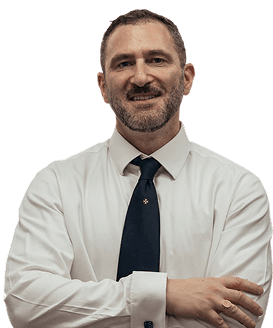
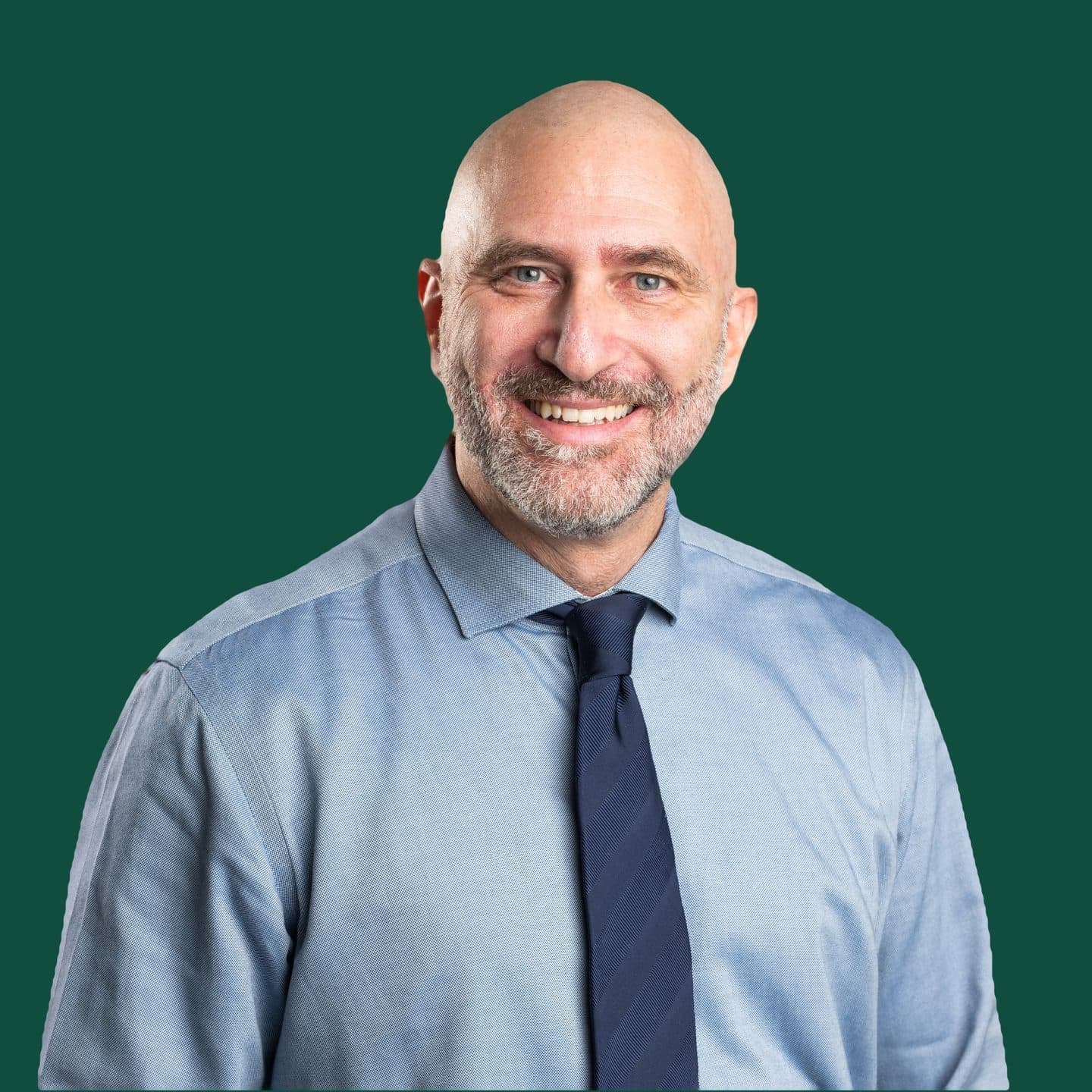
I grew up in Trieste, on the coast of north-eastern Italy. My interest in urology began close to my heart, but far from home: at the opposite end of the Adriatic coast, my uncle, Professor Vittorino Ricci Barbini, was a urologist and an important influence on me. What stayed with me was not simply his knowledge, but the compassion with which he looked after people. It helped shape the kind of doctor I wanted to become.
I began my medical training at the University of Trieste, completed my specialist training in urology in Verona, and went on to postgraduate study in andrological and gender surgery. Moving to the UK brought opportunities to work with different teams and communities, including at Milton Keynes University Hospital, King's College Hospital and Chelsea and Westminster Hospital. Each setting broadened both my clinical experience and my understanding of the people who seek our help.
Today, my work connects surgery with sexual and psychological health. My private practice covers urology, andrology and male infertility, including penile Doppler ultrasound, microsurgical varicocele repair and microdissection testicular sperm extraction (micro-TESE). At Chelsea and Westminster Hospital, my NHS work focuses on gender-affirming surgery, where I lead the metoidioplasty service. As Andrology Lead for the Psychosexual Team at King's College Hospital, I also work with the relationship between physical symptoms and psychological well-being. That combination informs my private practice: I look at the medical problem without losing sight of the person living with it.
The conversation is part of the care
Some people arrive with a clear diagnosis or a particular treatment in mind. Others have a symptom they cannot quite explain, or something they have found difficult to talk about. I see listening as part of the clinical work. Your account of what has changed, what concerns you and what matters in your daily life helps us make sense of the problem together.
Because of the nature of my work, I sometimes need to ask very personal questions, including about aspects of your life you may not usually discuss. These questions help me understand your health and how best to support you; they carry no judgement about you as a person. You are always welcome to say, "I would prefer not to answer." I will respect that, and you do not need to explain why.
Sometimes the next step is an investigation or a procedure; sometimes it involves a different kind of support. I work with colleagues in areas such as physiotherapy, radiology, endocrinology, reproductive medicine and psychosexual counselling when their expertise is relevant. A plan should reflect your circumstances and priorities, rather than treating a diagnosis in isolation.
Clear explanations are important to me throughout that process. I want you to understand the options we are discussing and to have room to ask questions. I do not like to rush someone through a difficult conversation or an important decision. Sometimes a patient's needs turn out to be more complex than expected, and a consultation takes longer than planned. If that means I am running late for your appointment, I am sorry to keep you waiting. Your time matters too, and I will give you the same care and attention when we meet.
I am equally passionate about sharing what I learn. I put a great deal of care into making this website a place you can return to before and after a consultation or an operation, with explanations and resources you can explore at your own pace. Those resources are freely available in full to everyone, whether or not you see me as a patient. Access to clear, useful information should not depend on being able to pay for private care.
I regularly add something new here, often an article or an interactive tool inspired by a conversation in the consulting room. If something you find seems to answer the very question you asked me last week, it may well do: I try to start with the questions patients are already asking and create resources that help answer them. For me, technology is most useful when it keeps that conversation going, giving you something to return to when you need it.
The person beyond the consulting room
My connection with Trieste has stayed with me, particularly my love of the sea and time outdoors. Sailing, walking and travelling give me space to step away from work and encounter different places and perspectives. I also enjoy languages and the conversations they make possible.
That interest in people runs through both parts of my life. What I find most rewarding in medicine is seeing someone regain confidence and a sense of possibility, as well as addressing the problem that brought them to the clinic. I am grateful for the trust involved in sharing a personal concern. My aim is to meet it with attention, clear communication and respect.
I always try to do my best, but I do not always get everything right. If something has helped you, I am glad to hear it; if something could have been better, I want to hear that too. I value honest, constructive feedback: it helps me understand your experience and improve the care I offer.