


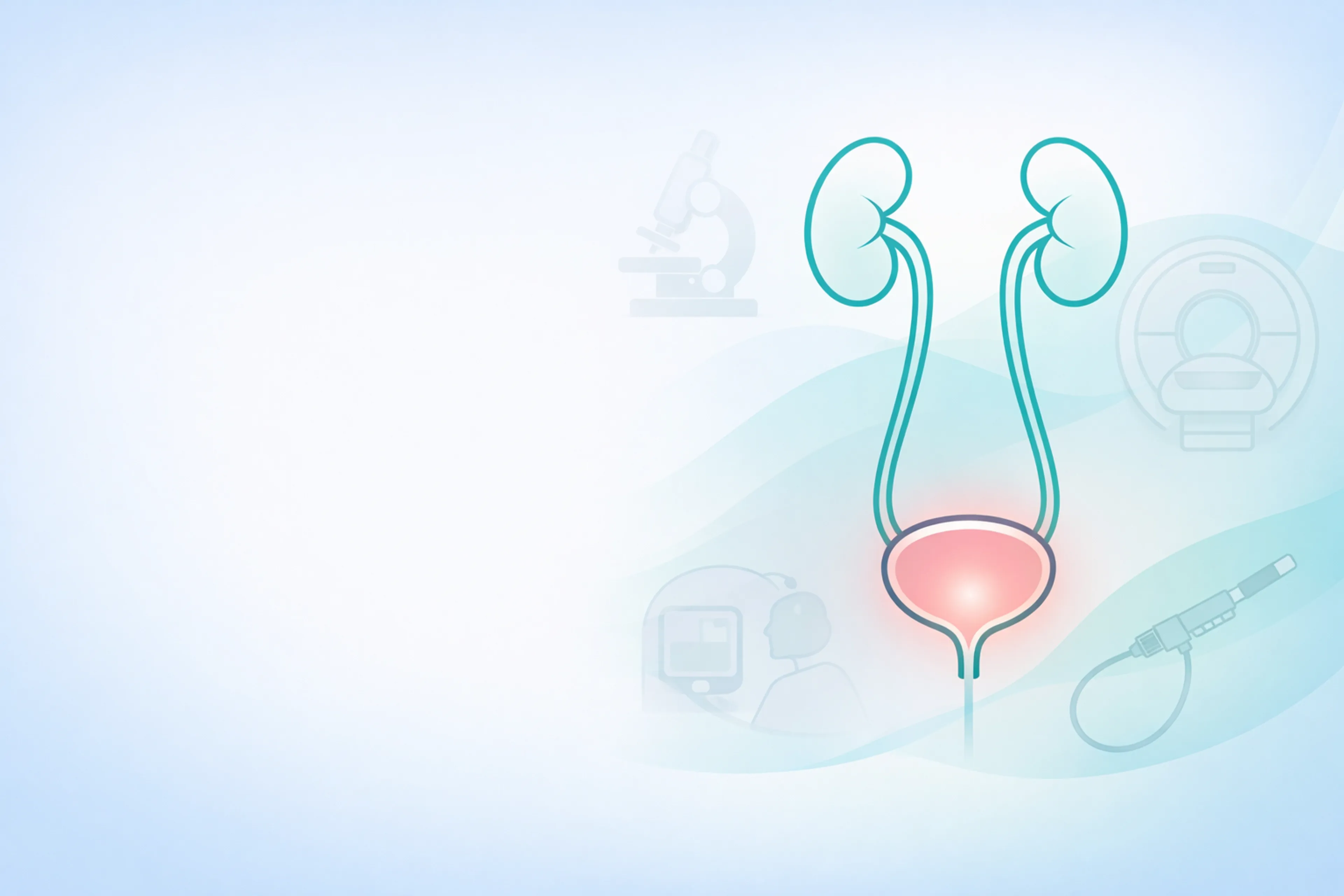
Discovering blood in your urine can be frightening. Whether your urine has changed colour or a routine test has detected microscopic blood, the worry about serious illness is completely natural.
Let me reassure you from the outset: whilst haematuria always requires proper investigation, many causes are entirely benign and treatable. As I often explain to my patients, "Your urinary system is like a sophisticated filtration network. When blood appears in your urine, it's your body sending us a clear signal that something along that pathway needs attention. The key is systematic investigation to understand exactly what's happening."
Worried after seing blood in your urine?
red coloured urine can be a traumatic sight. Although many times the causes end up being very simple and benign, it is one of those signs that cannot be overlooked. If in doubt, better to arrange a consultation ASAP.
Important: This Guide's Purpose
This guide focuses on understanding haematuria and the gold-standard diagnostic pathway used in the UK. My aim is to give you expert, compassionate guidance through each investigation so you feel informed and supported at every step. Whilst I explain potential causes, the primary focus here is on how we reach an accurate diagnosis — not on specific treatments, which you'll find on dedicated condition pages.
What This Guide Covers
What is Haematuria? Understanding Visible vs Microscopic Blood
Haematuria means the presence of red blood cells (erythrocytes) in the urine. It is a sign, not a disease. The blood indicates bleeding somewhere along your urinary tract — from the kidneys, down through the ureters, into the bladder, or along the urethra.
Haematuria is primarily classified based on whether you can actually see the blood with the naked eye:
Macroscopic (Visible/Gross) Haematuria
This is when your urine changes colour due to blood, appearing pink, red, brown, or sometimes 'cola-coloured'. It's surprisingly sensitive—as little as 1ml of blood per litre of urine can cause a visible colour change.
Blood clots: If you're passing clots, this usually indicates more significant bleeding, often originating from the lower urinary tract (bladder or prostate). Visible haematuria is always considered clinically significant and requires urgent investigation.
Microscopic (Non-Visible) Haematuria
Here, your urine looks completely normal in colour, but red blood cells are detected when examined under a microscope in the laboratory or via a urine dipstick test performed in clinic.
Definition: The standard medical definition is typically ≥3 red blood cells per high-power field (RBC/hpf) on microscopic analysis of a properly collected urine sample. Whilst many cases have benign causes, it still requires systematic investigation, especially if you have risk factors for urological cancer.
Visible haematuria carries a significantly higher statistical risk of underlying malignancy (cancer) compared to microscopic haematuria. This is why visible blood typically triggers a more urgent investigative pathway with tighter timeframes, following NHS guidelines for suspected cancer referral.
When red blood cells are found in urine, we also need to determine where along the urinary tract they're coming from:
- Non-Glomerular (Urological) Haematuria:
- This means the bleeding originates from the urinary tract structures themselves—the kidneys (excluding the filters), ureters, bladder, prostate, or urethra. This is what urologists primarily investigate. Causes include stones, infections, tumours, trauma, and prostate enlargement.
- Glomerular (Nephrological) Haematuria:
- This indicates bleeding from the kidney's microscopic filters (glomeruli), often due to medical kidney diseases like IgA nephropathy, Alport syndrome, or thin basement membrane disease. These conditions typically fall under the expertise of nephrologists (kidney physicians).
How do we tell the difference? Certain findings in your urine tests provide clues:
- Red cell casts:
- Red blood cells clumped together in a cylindrical shape strongly suggest glomerular bleeding.
- Dysmorphic red cells:
- Red blood cells that appear misshapen under the microscope indicate they've been squeezed through the kidney filters.
- Significant proteinuria:
- Large amounts of protein alongside the blood suggest a kidney filter problem.
When these features are present, I typically arrange referral to a nephrologist for further assessment alongside or instead of urological investigation.
What is Haematuria? Key Points
- Haematuria means blood in the urine—either visible (macroscopic) or detectable only by testing (microscopic)
- Visible haematuria
- (pink/red/cola-coloured urine, especially with clots) always requires urgent investigation
- Microscopic haematuria
- (≥3 RBCs/hpf) also requires investigation, particularly if you have risk factors
- Urine tests help us distinguish between bleeding from kidney filters (glomerular) versus bleeding from urinary tract structures (non-glomerular/urological)
- Understanding the type and likely source of bleeding guides which investigations are most appropriate
2. Potential Causes: Why Might There Be Blood in My Urine?
Haematuria can arise from a wide variety of conditions affecting any part of your urinary tract. Identifying the specific cause is the primary goal of the diagnostic process. Below are the most common and important causes we consider.
Urinary Tract Infections (UTIs)
Infections are amongst the most frequent benign causes. When bacteria invade the bladder (cystitis) or kidneys (pyelonephritis), the resulting inflammation irritates the lining of the urinary tract, causing it to become inflamed and bleed. UTI-related haematuria usually comes with other symptoms:
- Pain or burning sensation when passing urine (dysuria)
- Needing to urinate frequently and urgently
- Lower abdominal or pelvic discomfort
- Sometimes fever and flu-like symptoms (especially with kidney infection)
Important: Whilst UTIs are common, visible haematuria should still be investigated thoroughly even after the infection is treated, as infection can sometimes coexist with other underlying conditions.
Kidney or Bladder Stones (Urolithiasis)
Stones form when minerals in the urine crystallise. A stone moving from the kidney down the ureter can cause:
- Intense, colicky pain in the loin (kidney area) radiating to the groin (renal colic)
- Haematuria due to the stone scraping against the lining of the urinary tract
- Nausea and vomiting
Stones sitting within the bladder can cause irritation, persistent haematuria, and sometimes lower urinary tract symptoms like urgency and frequency.
Benign Prostatic Hyperplasia (BPH) - in Men
As men age, the prostate gland commonly enlarges. This benign (non-cancerous) growth can have a rich network of blood vessels on its surface that are prone to bleeding, particularly if there's also inflammation (prostatitis). BPH often presents with:
- Weak urinary stream
- Hesitancy (difficulty starting urination)
- Increased frequency, especially at night (nocturia)
- Intermittent haematuria
Prostatitis - in Men
Inflammation of the prostate gland (prostatitis), which can be bacterial or non-bacterial in origin, may cause haematuria alongside pelvic pain, painful urination, and urinary symptoms.
Whilst I don't want to cause unnecessary alarm, the most important reason we investigate haematuria systematically is to detect or rule out cancer. Haematuria can be an early warning sign of several urological malignancies. Early detection dramatically improves treatment outcomes.
Bladder Cancer
Bladder cancer is the most common urological malignancy associated with visible haematuria. The classic presentation is painless visible haematuria—blood in the urine without any discomfort. However, it can also present with microscopic haematuria or alongside irritative bladder symptoms. Risk factors include smoking, age, occupational exposures to certain chemicals, and previous pelvic radiotherapy.
Kidney Cancer (Renal Cell Carcinoma)
Kidney cancer can present with:
- Haematuria (visible or microscopic)
- Persistent dull ache or pain in the flank (loin)
- Sometimes a palpable mass in the abdomen (though this is less common now due to incidental detection on scans)
Many kidney cancers are now detected incidentally when scans are performed for other reasons, before symptoms develop.
Upper Tract Urothelial Carcinoma (UTUC)
This is cancer affecting the lining (urothelium) of the kidney's collecting system (renal pelvis) or the ureter. It's less common than bladder cancer but shares similar risk factors. UTUC often presents with haematuria and may be subtle on imaging, which is why detailed CT urography is essential.
Prostate Cancer (Less Common Presentation)
Advanced prostate cancer that has invaded the bladder base or urethra can occasionally cause haematuria, but this is not a typical early sign of prostate cancer. Raised PSA, lower urinary tract symptoms, or bone pain are more common presentations.
These conditions affect the kidney's microscopic filtering units (glomeruli):
- IgA Nephropathy:
- The most common cause of glomerular haematuria, often presenting with episodes of visible haematuria during or after upper respiratory infections
- Alport Syndrome:
- A genetic condition affecting the kidney filters, often associated with hearing loss
- Thin Basement Membrane Disease:
- A relatively benign inherited condition causing persistent microscopic haematuria
- Post-infectious Glomerulonephritis:
- Can follow streptococcal throat infections
When glomerular disease is suspected (red cell casts, dysmorphic cells, significant proteinuria), investigation and management fall primarily under nephrology rather than urology.
Trauma or Injury
Direct injury to the kidneys, bladder, or urethra—from accidents, falls, blunt abdominal trauma, or pelvic fractures—can cause haematuria. This requires urgent assessment in an A&E setting.
Medications
Certain medications can increase bleeding risk:
- Anticoagulants:
- Drugs like warfarin, apixaban, rivaroxaban, or aspirin can make even minor urinary tract lesions bleed more readily.
- Important:
- Being on anticoagulants does NOT mean your haematuria is automatically "explained"—it still requires full investigation as the anticoagulant may simply be unmasking an underlying problem.
- Other drugs:
- Cyclophosphamide (chemotherapy), certain antibiotics, and some pain relievers can occasionally cause kidney inflammation (interstitial nephritis) or direct bladder irritation.
Strenuous Exercise
Intense physical activity, particularly long-distance running or cycling, can sometimes cause temporary microscopic or even visible haematuria. This is likely due to minor bladder trauma, dehydration effects, or transient changes in kidney filtration. This diagnosis is one of exclusion—we need to rule out other causes first.
Inherited Conditions
Less commonly:
- Polycystic Kidney Disease (PKD):
- Multiple cysts in the kidneys can bleed, causing haematuria
- Sickle Cell Disease/Trait:
- Can affect kidney function and cause haematuria
"Idiopathic" Haematuria
In a proportion of cases, especially in younger individuals with microscopic haematuria and no risk factors, no specific cause is identified despite thorough investigation. We call this "idiopathic" haematuria. Even in these cases, follow-up is usually recommended to monitor for any changes over time.
Potential Causes: Key Points
- Causes range from common benign issues (UTIs, stones, BPH) to serious conditions (cancer, kidney disease)
- Visible haematuria carries higher suspicion for malignancy than microscopic haematuria
- The most important cancers to exclude are bladder cancer, kidney cancer, and upper tract urothelial carcinoma (UTUC)
- Being on anticoagulants doesn't automatically explain haematuria—investigation is still essential
- Understanding how different conditions cause bleeding helps guide appropriate investigations
- Even when no cause is found, follow-up monitoring is prudent
3. Understanding Your Individual Risk Factors for Serious Causes
Certain factors significantly increase the likelihood that haematuria is due to a serious underlying condition, particularly urological cancer. Assessing these risk factors helps me tailor the diagnostic approach — both in terms of urgency and the extent of investigation required.
Based on large population studies and evidence-based clinical guidelines (including NICE guidance in the UK), the following factors are known to increase the risk of finding a urological malignancy in patients presenting with haematuria:
1. Age
The risk of urological cancer increases significantly with age. Whilst bladder cancer can occur in younger people, the incidence rises sharply particularly from age 50 onwards, with peak incidence in the 60s, 70s, and 80s. Age over 45-50 years is considered a significant risk factor in haematuria assessment.
2. Smoking History
This is one of the most important modifiable risk factors. Current or past smoking dramatically increases the risk of both bladder cancer and kidney cancer:
- Bladder cancer risk is approximately 2-4 times higher in smokers
- The risk correlates with both duration and intensity of smoking (pack-years)
- Risk decreases after smoking cessation but remains elevated for many years
I always take a detailed smoking history, including when you started, when (if) you stopped, and roughly how many cigarettes per day.
3. Type of Haematuria
Visible (macroscopic) haematuria carries substantially higher risk than microscopic haematuria. Studies show that:
- The prevalence of bladder cancer in patients with visible haematuria is approximately 15-20%
- For microscopic haematuria, the risk is considerably lower but still present (approximately 2-5% depending on risk factors)
4. Male Gender
Men have a higher incidence of both bladder cancer and kidney cancer compared to women. This is partly related to higher smoking rates historically, but other factors also contribute.
5. Occupational Exposures
Exposure to certain industrial chemicals increases bladder cancer risk:
- Aromatic amines:
- Used historically in dye, rubber, paint, leather, and printing industries
- Other chemical exposures:
- Petroleum products, coal tar, solvents
The latency period between exposure and cancer development can be many years (20-40 years), so I ask about your entire occupational history.
6. Previous Pelvic Radiation Therapy
Radiotherapy for other pelvic cancers (prostate, cervix, rectum) increases the long-term risk of developing secondary bladder cancer, typically many years after treatment.
7. Chronic Bladder Irritation or Catheterisation
Long-term indwelling urinary catheters or recurrent urinary tract infections over many years can, in some cases, slightly increase bladder cancer risk, particularly for squamous cell carcinoma (a rarer bladder cancer subtype).
8. Certain Medications or Treatments
- Cyclophosphamide:
- A chemotherapy drug used for various cancers and autoimmune conditions is associated with increased bladder cancer risk
- Phenacetin:
- An analgesic now withdrawn from the market, prolonged high-dose use was linked to kidney problems and upper tract urothelial cancer
9. Family History
A strong family history of urological cancers can indicate increased individual risk, although most urological cancers are not strongly hereditary. Certain rare genetic syndromes (e.g., Lynch syndrome, Von Hippel-Lindau disease) do carry higher risks.
Combining Factors: The presence of multiple risk factors significantly elevates the probability of finding malignancy. For example:
Higher-Risk Patient Example:
A 68-year-old man who has smoked for 40 years presenting with visible haematuria has a substantially high probability of having bladder cancer. This mandates comprehensive and urgent investigation (fast-track suspected cancer pathway) with both imaging (CT urogram) and flexible cystoscopy.
Lower-Risk Patient Example:
A 28-year-old non-smoking woman with isolated microscopic haematuria detected on a routine health check and no other risk factors has a much lower likelihood of malignancy (though not zero). Investigation is still appropriate, but the urgency and perhaps the extent may be tailored. If urine tests suggest glomerular bleeding, nephrology referral might be more relevant than extensive urological investigation.
Important Point: Lower risk does NOT mean "no investigation needed". It means we can be slightly more measured in our approach whilst still being thorough. Even young, non-smoking individuals with microscopic haematuria should be assessed, as cancer, whilst rare, can still occur.
Risk Factors for Serious Causes: Key Points
- Age, smoking history, and visible haematuria
- are major risk factors for underlying urological cancer
- Male gender, occupational chemical exposures, and previous pelvic radiotherapy also increase risk
- Assessment of individual risk factors guides the urgency and extent of investigation
- Multiple risk factors together
- significantly elevate cancer probability
- Low-risk patients still require investigation, but the likelihood of serious pathology is much lower
- Risk stratification helps ensure those at highest risk get the fastest, most comprehensive workup
4. The Diagnostic Pathway: How We Systematically Investigate Haematuria
Investigating haematuria follows a structured, evidence-based pathway designed to be thorough and efficient. My goal is to identify the cause accurately whilst avoiding unnecessary tests or delays. Here is each step of the process I follow.
Taking a Detailed History
The consultation begins with understanding your specific situation in detail. I will ask you comprehensive questions about:
- The haematuria itself:
- When did you first notice it?
- Is it every time you urinate or intermittent?
- What colour is your urine? (Pink, red, brown, cola-coloured?)
- Have you passed any clots? (Size, frequency?)
- Does it occur at the beginning, throughout, or at the end of urination?
- Is it associated with pain? (Where? What type?)
- Associated symptoms:
- Frequency, urgency, burning, weak stream, hesitancy, nocturia, flank pain, abdominal pain, fever, weight loss
- Past medical history:
- Previous urological problems, kidney disease, other significant illnesses
- Medications:
- Particularly anticoagulants, but also any other regular medications
- Risk factors:
- Smoking history (detailed), occupational exposures, previous radiotherapy
- Family history:
- Urological cancers, kidney disease, inherited conditions
- Recent activities:
- Vigorous exercise, trauma, recent infections
- For women:
- Menstrual cycle timing (to exclude menstruation)
Physical Examination
A focused physical examination provides additional important information:
- Abdominal examination:
- Palpating for kidney masses, bladder distension, tenderness
- Digital rectal examination (DRE) in men:
- Assessing prostate size, consistency, and nodules
- Blood pressure:
- Hypertension can be associated with kidney disease
- General assessment:
- Signs of anaemia, oedema (suggesting kidney problems)
These are fundamental baseline investigations performed for everyone presenting with haematuria:
Urine Dipstick Test
This quick bedside test provides immediate information:
- Blood:
- Confirms presence (though we usually already know this)
- Protein:
- Significant proteinuria suggests glomerular disease
- Leucocytes & Nitrites:
- Indicate possible UTI
- Other parameters:
- Glucose, ketones, pH
Urine Microscopy, Culture & Sensitivity (MC&S)
Why it's essential: A proper laboratory analysis is needed to:
- Quantify red blood cells (RBC/hpf)
- Look for red cell casts or dysmorphic red cells (signs of glomerular bleeding)
- Identify and quantify white blood cells and bacteria
- Grow bacteria in culture if infection is present and determine antibiotic sensitivities
Urine Cytology
This specialist test examines urine under the microscope specifically looking for abnormal or malignant cells shed from the bladder lining. It's particularly useful for detecting high-grade bladder cancer and carcinoma in situ (CIS), a flat, aggressive form of bladder cancer.
When I request it: Mainly in higher-risk patients (age, smoking, visible haematuria) or when initial cystoscopy findings are equivocal. It's less sensitive for low-grade bladder tumours but excellent for high-grade disease.
Important note: Cytology is an adjunct test. It doesn't replace cystoscopy; it complements it.
Blood tests provide essential context:
Renal Function Tests (U&Es)
- Serum Creatinine & eGFR:
- Assess how well your kidneys are functioning. Important because:
- Impaired function might suggest kidney disease
- Kidney function must be checked before CT urogram (the contrast dye used can affect kidney function)
Full Blood Count (FBC)
- Checks for anaemia (which could result from chronic blood loss)
- White cell count (elevated in infection)
Prostate-Specific Antigen (PSA) - in Men
Important discussion: PSA is primarily a marker for prostate disease (BPH and prostate cancer). Its role in haematuria investigation is nuanced:
- I generally discuss PSA testing with my male patients presenting with haematuria, particularly if they're over 50 or have other lower urinary tract symptoms
- PSA can be falsely elevated
- by urinary tract infection, recent catheterisation, prostate biopsy, or even vigorous exercise—so timing matters
- A raised PSA requires further investigation (often MRI prostate and potentially biopsy), but doesn't usually
- explain
- the haematuria itself (unless there's very advanced prostate cancer invading the bladder)
- I provide detailed information about PSA testing—its benefits and limitations—so you can make an informed decision
Imaging is crucial for visualising the structure of your kidneys, ureters, and bladder to identify potential sources of bleeding. The choice of imaging depends on risk factors and clinical context. This is covered in detail in Section 5.
Renal Tract Ultrasound Scan (USS)
Often used as an initial imaging modality, particularly in lower-risk patients or when CT contrast is contraindicated. It's excellent for assessing kidney size and structure but less sensitive for small tumours or lesions in the ureters.
CT Urogram (CT IVU / CT KUB with Contrast)
Considered the gold-standard imaging test for haematuria investigation, particularly for higher-risk patients or visible haematuria. It provides exceptional detail of the entire urinary tract and is highly sensitive for detecting even small tumours, stones, and structural abnormalities.
Cystoscopy is the direct visual examination of your bladder lining and urethra using a thin telescope with a camera. It's the definitive way to assess the bladder for tumours, inflammation, stones, or other abnormalities. This is covered in detail in Section 6.
Flexible Cystoscopy
The standard outpatient procedure, performed awake in clinic using local anaesthetic gel. It's well-tolerated and provides excellent visualisation of the bladder.
Rigid Cystoscopy Under Anaesthesia
If suspicious lesions are found on flexible cystoscopy or imaging, a rigid cystoscopy under anaesthetic allows for biopsy or complete resection (TURBT - Transurethral Resection of Bladder Tumour) to obtain tissue for definitive diagnosis and staging.
The specific sequence and extent of investigations are individualised based on:
- Your risk factors:
- Higher-risk patients (older, smoker, visible haematuria) typically undergo comprehensive investigation (CT urogram + flexible cystoscopy) urgently, often within the 2-week suspected cancer pathway
- Type of haematuria:
- Visible haematuria generally triggers more urgent and extensive investigation than isolated microscopic haematuria
- Initial urine test findings:
- If urine tests suggest glomerular disease (casts, dysmorphic cells, heavy proteinuria), nephrology referral may be prioritised
- Your medical history:
- Pre-existing kidney disease, allergies to contrast dye, or other medical conditions may influence investigation choices
- NHS vs Private:
- Investigation pathways are similar, but timings may differ. Private investigation may sometimes proceed more rapidly.
Clinical Example (Diagnostic Reasoning):
Mrs Evans, 65, a former smoker, presented with one episode of visible haematuria (cola-coloured urine). Urine dipstick confirmed blood, but microscopy showed no infection and normal red cell morphology. Kidney function was normal. Due to her age, smoking history, and visible haematuria (all high-risk factors), I arranged a CT Urogram and Flexible Cystoscopy promptly according to suspected cancer pathway guidelines. The CT scan was clear of kidney or ureteric lesions and showed no stones. However, flexible cystoscopy revealed a small papillary (frond-like) lesion on the bladder wall, requiring further investigation via rigid cystoscopy under anaesthetic and TURBT for definitive diagnosis. This illustrates how risk factors guide the necessary investigations.
The Haematuria Diagnostic Pathway: Key Steps
- Starts with detailed
- history, examination, and risk factor assessment
- Baseline urine tests
- (dipstick, microscopy, culture, +/- cytology) are fundamental
- Blood tests
- assess kidney function and provide overall health context (including PSA discussion for men)
- Imaging
- (Ultrasound, CT Urogram) visualises kidneys, ureters, and bladder structure
- Cystoscopy
- provides direct visualisation of the bladder lining to exclude tumours or other causes
- The pathway is intelligently
- tailored based on risk stratification
- and initial findings
- Goal: thorough investigation whilst being efficient and avoiding unnecessary tests
5. Focus on Imaging: Ultrasound & CT Urogram
Imaging plays a vital role in haematuria investigation. It lets us visualise the structure of your urinary tract non-invasively and identify potential sources of bleeding. Below I explain the two main imaging modalities in detail.
What It Is
An ultrasound scan uses high-frequency sound waves to create real-time images of your kidneys and bladder. It's completely non-invasive, involves no radiation exposure, and is generally very comfortable.
How It's Performed
The sonographer (the specialist performing the scan) applies gel to your skin over the kidney areas and lower abdomen, then moves a handheld probe (transducer) over these areas. The scan is usually performed in two phases:
- Full bladder phase:
- You're asked to attend with a full bladder initially. This distends the bladder, making it easier to visualise the bladder wall clearly
- Post-void phase:
- After you empty your bladder, the scan is repeated to measure the
- Post-Void Residual (PVR)
- —the amount of urine remaining in your bladder after urination. An elevated PVR can indicate bladder outlet obstruction or poor bladder emptying
What Ultrasound is Good At (Strengths)
- Readily available:
- Ultrasound is widely accessible in most hospitals and clinics
- No radiation:
- Completely safe, no X-ray exposure
- Excellent for kidneys:
- Very good at assessing kidney size and structure, detecting larger kidney masses (tumours), simple or complex kidney cysts, and signs of obstruction (hydronephrosis—swelling of the kidney collecting system)
- Bladder wall assessment:
- Can visualise the bladder wall for significant thickening or larger bladder tumours/stones
- Accurate PVR measurement:
- Reliably measures residual urine volume
Limitations of Ultrasound
Whilst ultrasound is a valuable tool, it has certain limitations in haematuria investigation:
- Lower sensitivity for small tumours:
- Particularly in the ureters or renal pelvis (the collecting system of the kidney). Small urothelial tumours in these areas are often missed on ultrasound
- Operator dependent:
- Image quality and interpretation depend significantly on the skill and experience of the sonographer
- Limited by patient factors:
- Body habitus (obesity), bowel gas, and patient cooperation can affect image quality
- Ureteric visualisation:
- The ureters are difficult to see on ultrasound unless they're significantly dilated
When I Use Ultrasound
- As an initial imaging test in lower-risk patients (younger, non-smoker, microscopic haematuria)
- When CT contrast is contraindicated (severe renal impairment, significant contrast allergy)
- For pregnant women (no radiation)
- To assess PVR and bladder emptying specifically
Important: In higher-risk patients or those with visible haematuria, ultrasound alone is generally insufficient, and CT urogram is preferred.
What It Is
CT Urography is considered the gold-standard imaging investigation for haematuria, particularly in higher-risk patients or cases of visible haematuria. It uses X-rays and a intravenous iodine-based contrast dye to provide exceptionally detailed images of the kidneys, ureters, and bladder acquired at different phases.
Why CT Urogram is the Gold Standard
CT urogram offers several crucial advantages over ultrasound:
- Excellent sensitivity and specificity:
- Highly accurate for detecting even small tumours anywhere in the urinary tract
- Superior visualisation of ureters and renal pelvis:
- This is critically important because Upper Tract Urothelial Carcinoma (UTUC) – cancer in the lining of the ureters or renal pelvis – is often missed on ultrasound but clearly seen on CT urogram. UTUC, whilst less common than bladder cancer, requires prompt diagnosis
- Stone detection:
- Picks up kidney and ureteric stones with excellent clarity (stones appear bright white on the initial non-contrast scan)
- Detailed anatomical information:
- Provides comprehensive information about kidney structure, cysts (distinguishing simple from complex cysts), structural abnormalities, and signs of obstruction
- Bladder assessment:
- Images the bladder very well, particularly in the delayed (excretory) phase when the bladder fills with contrast-enhanced urine
How CT Urogram is Performed
The scan is typically acquired in three phases:
- Non-Contrast Scan (Plain Film):
- An initial scan without contrast injection. This is crucial for detecting stones (which are bright white and easily visible) and establishing a baseline appearance of the kidneys
- Nephrographic Phase (Cortical/Parenchymal Phase):
- Scan performed shortly after intravenous contrast injection (typically 80-100 seconds). At this stage, the kidney tissue itself enhances brightly. This phase is excellent for detecting renal masses (kidney tumours) and assessing kidney perfusion and structure
- Delayed/Excretory Phase (Urographic Phase):
- Scan performed several minutes later (typically 5-10 minutes after injection) when the contrast has been filtered by the kidneys and now fills the collecting system (renal pelvis, ureters) and bladder. This phase beautifully outlines the lining of the collecting system and ureters, making it ideal for detecting Upper Tract Urothelial Carcinoma (UTUC) and bladder lesions
What You'll Experience
- Preparation:
- You'll be asked not to eat for a few hours before (to reduce bowel gas) and to drink plenty of water to ensure good hydration and optimal contrast excretion
- IV line insertion:
- A small cannula (thin tube) is inserted into a vein in your arm for contrast injection
- Contrast injection:
- When the contrast is injected, you'll typically feel a temporary warm flushing sensation spreading through your body, sometimes with a metallic taste. This is completely normal and passes quickly
- The scan itself:
- You lie flat on the scanner bed, which moves through the large circular CT scanner (a "doughnut"). You may be asked to hold your breath briefly for each scan phase. The actual scanning takes only seconds for each phase, though the whole appointment might take 20-30 minutes
Important Considerations Before CT Urogram
Kidney Function Check Essential
Why it's necessary: Iodinated contrast dye is filtered by the kidneys. In patients with significantly impaired kidney function (eGFR typically <30 ml/min/1.73m²), there's a risk of contrast-induced acute kidney injury (contrast nephropathy). Therefore:
- I always check your renal function (blood test for creatinine and eGFR)
- before
- ordering a CT urogram
- If kidney function is severely impaired, alternative imaging (MRI urography or ultrasound) is used instead
- If kidney function is moderately impaired, we discuss risks/benefits carefully and may proceed with precautions (hydration, lower contrast dose)
Contrast Allergy History
Allergy risk: A small percentage of people experience allergic reactions to iodinated contrast:
- Mild reactions:
- Nausea, hives, itching—relatively common (a few percent), usually self-limiting or treatable
- Severe reactions (anaphylaxis):
- Very rare (<0.1%), but potentially life-threatening. Radiology departments are equipped to manage these emergencies
I will always ask if you've had previous reactions to contrast or have significant allergies (particularly seafood or iodine-containing substances). If you have a history of significant contrast allergy, we may use MRI urography instead or proceed with CT under specialist supervision with pre-medication (steroids, antihistamines).
Radiation Exposure
CT scans use ionising radiation (X-rays). Whilst the radiation dose from modern CT scanners is relatively low and the diagnostic benefit usually far outweighs the tiny risk, it's a consideration, particularly in:
- Younger patients:
- Where we aim to minimise lifetime radiation exposure
- Pregnancy:
- CT is generally avoided. Ultrasound and, if absolutely essential, MRI are alternatives
The decision to proceed with CT is always based on careful clinical judgement—balancing the critical need for accurate diagnosis against a very small radiation risk.
MRI Urography as an Alternative
In situations where CT urogram is contraindicated (severe contrast allergy, significant renal impairment, pregnancy), MRI Urography can be an alternative. MRI uses strong magnets and radio waves (no radiation) and can use gadolinium-based contrast (a different type of contrast agent with different safety profile). MRI provides excellent soft tissue detail but is:
- Less readily available than CT
- Takes longer to perform
- Less sensitive for small stones (though still good for tumours)
- More expensive
The imaging results significantly influence the subsequent pathway:
- Clear imaging (no abnormalities detected):
- Whilst reassuring, imaging alone doesn't fully exclude bladder pathology (particularly flat bladder lesions like CIS). Therefore, cystoscopy remains essential in most cases to directly visualise the bladder lining
- Kidney or ureteric mass detected:
- Requires further assessment and management, often surgical. This typically falls clearly within urology's remit
- Bladder mass or suspicious bladder wall thickening:
- Requires cystoscopy for direct visualisation and biopsy
- Stones identified:
- Management depends on size, location, and symptoms. Options range from conservative management to surgical stone removal
- Signs of hydronephrosis (kidney swelling):
- Indicates obstruction, requires investigation of the cause (stone, tumour, stricture)
Imaging for Haematuria: Key Points
- Ultrasound
- is a good initial, non-invasive test for kidneys and bladder overview, particularly in lower-risk patients
- CT Urography is the gold standard
- for detailed assessment of the entire urinary tract, especially for detecting small tumours (including UTUC) and stones
- CT Urography involves X-ray radiation and iodine contrast dye, which requires a kidney function check beforehand
- CT urogram's multi-phase approach provides comprehensive information across all parts of the urinary system
- Choice of imaging depends on risk factors, clinical suspicion, and patient-specific factors (kidney function, allergies)
- Important:
- Even with clear imaging, cystoscopy is usually still needed to directly examine the bladder lining
6. Focus on Cystoscopy: Looking Directly Inside Your Bladder
Cystoscopy is a vital procedure in haematuria investigation. It allows me to directly visualise the lining of your bladder and urethra using a thin telescope with a light and camera. This direct view is the definitive way to identify bladder tumours, inflammation, stones, or other abnormalities that may be causing the bleeding. Below I explain the different types of cystoscopy and what to expect.
What It Is
Flexible cystoscopy is the most common type performed for initial haematuria diagnosis. It uses a thin, flexible telescope (about the thickness of a pencil) that can bend and navigate around corners, making it comfortable for examination in an awake patient in an outpatient clinic setting.
Why It's Done for Haematuria
Flexible cystoscopy is absolutely essential because:
- Direct visualisation:
- It provides a clear, magnified, real-time view of the entire bladder lining (urothelium), allowing me to look for tumours, suspicious red patches (potential carcinoma in situ—CIS), stones, inflammation, or other abnormalities
- Bladder neck and urethral inspection:
- I can also examine the bladder neck and, in men, the prostatic urethra (the part of the urethra passing through the prostate)
- Guides further management:
- The findings determine whether further procedures under anaesthesia (rigid cystoscopy and biopsy/TURBT) are needed
What You Can Expect (Patient Experience)
I understand that the idea of having a telescope passed into your bladder can sound daunting, but let me reassure you about what actually happens:
- Clinic setting:
- The procedure is performed in a dedicated cystoscopy clinic room. You remain awake and can talk to me throughout
- Local anaesthetic gel:
- I insert local anaesthetic lubricating gel (typically lignocaine gel) into the urethra several minutes before starting. This numbs the urethra and makes passage of the cystoscope much more comfortable. Men need a slightly larger volume of gel (due to longer urethra) so we wait a few minutes for it to work
- Positioning:
- You lie on an examination couch in a reclined position
- The procedure:
- I gently pass the flexible cystoscope through your urethra into the bladder. You'll feel some pressure and perhaps a slight stinging or odd sensation, but most patients find it much less uncomfortable than they anticipated. The flexible nature of the scope means it navigates the anatomy comfortably. As the scope enters the bladder, I fill the bladder with sterile water (or saline) to distend it gently. This allows clear visualisation of the entire bladder lining as I systematically rotate and angle the scope to examine every area
- Duration:
- The actual examination typically takes only 5-10 minutes
- Watching the screen:
- You can watch the images on a screen alongside me if you wish—many patients find this fascinating and reassuring to see what I'm seeing
- Communication:
- I'll talk you through what I'm observing and what I can see
After the Procedure
- Mild discomfort:
- Some stinging or mild burning sensation when passing urine for the first few times afterwards is very common. This usually settles within 6-12 hours
- Increased frequency:
- You might feel you need to urinate more frequently for a short period
- Light blood in urine:
- A small amount of pink-tinged urine after cystoscopy is normal and expected, particularly if biopsies were taken. This should clear within 24-48 hours
- Driving:
- You can usually drive yourself home after flexible cystoscopy
- Activities:
- You can generally resume normal activities the same day
What Flexible Cystoscopy Can Miss
Whilst flexible cystoscopy is excellent, it's not perfect:
- Very small or flat lesions:
- Particularly carcinoma in situ (CIS)—a flat, aggressive form of bladder cancer—can sometimes be subtle under standard white-light cystoscopy
- Limited biopsy capability:
- Small biopsies can be taken through a flexible cystoscope, but if a larger lesion needs complete resection, rigid cystoscopy under anaesthetic is required
What It Is
Rigid cystoscopy uses a straight, non-flexible telescope. This procedure is performed in an operating theatre under general or spinal anaesthesia. Whilst the "rigid" name might sound uncomfortable, you're asleep or numb, so you feel nothing during the procedure.
When and Why It's Done in Haematuria Diagnosis
Rigid cystoscopy becomes necessary when:
- Flexible cystoscopy identifies a suspicious lesion or tumour:
- A tissue sample (biopsy) is needed for definitive diagnosis. Rigid cystoscopy allows for better instrumentation
- Targeted biopsy required:
- For small, suspicious areas, we can take 'cold cup' biopsies (pinch biopsies without using electrical current)
- Transurethral Resection of Bladder Tumour (TURBT) needed:
- If a visible bladder tumour is present, TURBT is performed. This serves a dual purpose:
- Diagnostic:
- To completely remove the tumour tissue so the pathologist can examine it under the microscope, determine the exact type of cancer, and crucially, assess how deeply it invades the bladder wall (staging). This staging information is critical for deciding further management
- Therapeutic:
- For non-muscle-invasive bladder tumours, TURBT is also the primary treatment. By resecting the tumour completely (including a margin of normal-looking tissue at the base), we aim to remove the cancer entirely from the bladder
- Better visualisation:
- Rigid cystoscopy provides slightly better optical quality and allows for more extensive examination if needed
Important Note on Scope
This haematuria diagnostic guide focuses primarily on diagnosis. Whilst TURBT is mentioned here because it's the definitive way to obtain tissue for diagnosis and staging when a visible bladder tumour is found, the detailed discussion of TURBT as a treatment for bladder cancer—including its variations, risks, recovery, and follow-up protocols—belongs on dedicated bladder cancer treatment pages. My role here is to explain how TURBT fits into the diagnostic pathway.
What You Can Expect (Patient Experience for Rigid Cystoscopy/TURBT)
- Anaesthesia:
- Either general anaesthetic (asleep) or spinal anaesthetic (numb from the waist down but awake). The anaesthetist will discuss which is most appropriate for you
- Setting:
- Operating theatre. Usually performed as a day-case procedure, though occasionally an overnight stay may be recommended depending on the extent of resection
- Duration:
- Typically 15-45 minutes, depending on complexity
- Catheter:
- A temporary urinary catheter is often placed at the end of the procedure to ensure the bladder drains well whilst initial healing occurs and to allow any bleeding to wash out. This usually stays in for 12-48 hours depending on circumstances
- Recovery:
- You'll recover in the hospital's recovery area and day-surgery ward. Once you're comfortable, eating/drinking, and have passed urine (if catheter removed), you can usually go home the same day
- After discharge:
- You'll experience some bladder discomfort, frequency, and blood-tinged urine for a few days. This settles gradually. I'll provide clear written instructions and emergency contact information
In specific situations, particularly when looking for very subtle lesions like carcinoma in situ (CIS) or when monitoring patients with a known history of bladder cancer, we might use specialised cystoscopy techniques alongside standard white-light examination:
Photodynamic Diagnosis (PDD) / Blue Light Cystoscopy
How it works: About 1-2 hours before cystoscopy, a photosensitising agent (such as Hexvix® / hexaminolevulinate) is instilled into the bladder via a catheter. Cancerous or pre-cancerous cells preferentially absorb and retain this agent. During cystoscopy, when I switch from standard white light to blue light, areas containing abnormal cells fluoresce bright pink or red, making them stand out vividly against the normal bladder lining.
Benefits: Significantly improves detection of carcinoma in situ (CIS) and some small papillary tumours that might be missed or appear very subtle under white light alone.
When used: Typically during rigid cystoscopy/TURBT in patients with:
- High-grade bladder cancer
- Positive urine cytology but normal-looking bladder on white-light cystoscopy
- Recurrent bladder cancer
Narrow Band Imaging (NBI)
How it works: NBI uses filtered light at specific wavelengths (blue and green light) that enhance the appearance of blood vessels on the bladder surface. Abnormal tumour blood vessels often appear more prominent and have a different pattern under NBI compared to normal bladder vasculature.
Benefits: Helps highlight suspicious areas that might be subtle under white light, improving detection of non-muscle-invasive bladder cancer.
When used: Can be used during flexible or rigid cystoscopy. Particularly helpful in surveillance of patients with previous bladder cancer.
When I Use Enhanced Techniques
These are typically used in specialised centres or during rigid cystoscopy/TURBT when:
- We need higher diagnostic accuracy for subtle lesions
- There's high suspicion of CIS (e.g., positive cytology, high-grade tumour history)
- We're performing surveillance in patients with previous high-grade bladder cancer
Enhanced cystoscopy is not routinely required for all haematuria cases but can be invaluable in specific situations.
Focus on Cystoscopy: Key Points
- Flexible cystoscopy
- is the standard outpatient test to directly visualise the bladder lining—it checks for tumours, stones, inflammation, and other causes of haematuria
- Performed awake with local anaesthetic gel; generally well-tolerated with minimal discomfort
- Rigid cystoscopy
- (under anaesthesia) is needed for biopsy or diagnostic resection (TURBT) of suspicious lesions found on flexible cystoscopy or imaging
- TURBT's initial diagnostic role is to obtain tissue for accurate cancer type and staging information, which directs further management (it's also a treatment)
- Enhanced techniques
- (Blue Light cystoscopy, NBI) can significantly improve detection of subtle bladder lesions, particularly CIS, in selected patients
- Cystoscopy is essential even when imaging is clear, as it remains the gold standard for bladder assessment
7. When to Seek Urgent Medical Attention for Haematuria
Whilst all haematuria requires investigation, certain situations demand more immediate assessment. It's important to know the "red flags" that mean you should seek urgent help without delay.
Recognising Red Flags: Seek Urgent Help If You Experience
- Visible Blood with Blood Clots:
- Passing clots in your urine often signifies more significant bleeding, frequently from the lower urinary tract (bladder or prostate). This needs prompt evaluation. Large clots can potentially block the bladder outlet.
- Haematuria with Symptoms of Acute Kidney Infection:
- High fever, shaking chills (rigors), severe loin (flank) pain, nausea/vomiting alongside blood in your urine could indicate a kidney infection (pyelonephritis) which requires urgent antibiotic treatment.
- Inability to Pass Urine (Acute Urinary Retention):
- If you cannot urinate
- at all
- , especially if associated with haematuria, this is a medical emergency. Blood clots can block the bladder outlet. This requires immediate A&E attendance for catheterisation to drain the bladder.
- Haematuria Following Significant Trauma:
- Injury to your back, abdomen, or pelvis (from a fall, accident, or direct blow) that is followed by blood in your urine requires urgent assessment in A&E to evaluate for kidney, bladder, or urethral injury.
- Haematuria with Feeling Very Unwell:
- If you feel dizzy, faint, extremely fatigued, or show signs of severe anaemia (very pale, weak, breathless) alongside haematuria, seek urgent medical attention. This could indicate significant blood loss.
What to Do in These Situations
- For visible blood without severe symptoms:
- Contact your GP surgery urgently (same day if possible) for assessment and likely urgent referral to urology. Visible haematuria is typically managed via a 2-week suspected cancer pathway.
- For the acute red flag symptoms listed above
- (retention, severe pain with fever/rigors, feeling very unwell, post-trauma haematuria):
- Attend your nearest Accident & Emergency (A&E) department
- Or call 999 for an ambulance if you're unable to get to hospital safely
- If unsure during normal working hours:
- You can call NHS 111 for advice, or contact my practice team directly if you're an existing patient (contact details at the end of this guide).
Don't Delay: Why Prompt Action Matters
These red flag symptoms require swift intervention:
- Clot retention:
- Can cause severe pain and bladder damage if not relieved quickly
- Kidney infection:
- Can rapidly progress to sepsis (a life-threatening systemic infection) without prompt antibiotics
- Traumatic injury:
- Urgent imaging and potential intervention are needed to prevent complications
Please don't hesitate or "wait and see" if you experience these symptoms. Prompt medical assessment ensures your safety and allows for timely, appropriate management.
Section 8: After Diagnosis
8. What Happens After the Diagnosis is Made?
Completing all the necessary diagnostic tests gives us the answer we've been seeking: the underlying cause of your haematuria. A clear diagnosis allows us to move forward with the most appropriate management plan for you.
Once we have all the investigation results—from your history and examination, urine tests, blood tests, imaging, cystoscopy findings, and any biopsy results—I will sit down with you to discuss the findings in detail. We'll establish a clear diagnosis, and I'll explain exactly what condition is causing the haematuria and what that means for you.
Based on this confirmed diagnosis, we'll then formulate your personalised management plan together. It's vital to understand that we're not treating "haematuria" itself (which, remember, is a sign, not a disease), but rather the specific underlying condition we've identified.
Here are some examples of how different diagnoses lead to specific management approaches:
- If a Urinary Tract Infection (UTI) is found:
- The treatment is a course of appropriate antibiotics based on urine culture and sensitivity results. Symptoms typically resolve within days. We may then arrange follow-up urine tests to ensure clearance, and potentially repeat imaging if initial infection prevented clear assessment.
- If Kidney or Bladder Stones are diagnosed:
- Management depends on stone size, location, and your symptoms. Options include:
- Conservative management (hydration, pain relief, medication to help pass the stone) for small stones
- Extracorporeal Shock Wave Lithotripsy (ESWL) to break up stones
- Ureteroscopy (keyhole procedure) to remove or break up stones
- Rarely, open or laparoscopic surgery for very large stones
- If Benign Prostatic Hyperplasia (BPH) is the main cause (in men):
- Treatment options range from lifestyle modifications and watchful waiting for mild symptoms, through medication (alpha-blockers, 5-alpha reductase inhibitors) for moderate symptoms, to surgical procedures (TURP, laser procedures, UroLift, Rezūm) for more severe obstruction or if medications aren't effective.
- If Bladder Cancer is diagnosed via biopsy/TURBT:
- Further management depends entirely on the stage and grade of the cancer determined by the pathologist's report:
- Staging scans (CT chest/abdomen/pelvis) to check for spread
- Further TURBT if initial resection was incomplete
- Intravesical therapy (chemotherapy or immunotherapy instilled directly into the bladder) for certain non-muscle-invasive cancers
- Radical cystectomy (bladder removal) for muscle-invasive bladder cancer
- Radiotherapy or systemic chemotherapy in selected cases
- Lifelong surveillance cystoscopy protocols
- (Detailed bladder cancer treatment information is available on dedicated bladder cancer pages.)
- If a Kidney Tumour (Renal Cell Carcinoma) is found:
- Management typically involves:
- Staging CT chest to check for metastases
- Partial nephrectomy (removing the tumour whilst preserving most of the kidney) for smaller tumours
- Radical nephrectomy (removing the entire affected kidney) for larger tumours
- Active surveillance for very small tumours in older/frail patients
- Ablative therapies (radiofrequency or cryo-ablation) in selected cases
- If a Glomerular Kidney Disease is suspected or confirmed:
- Referral to a nephrologist (kidney specialist physician) for specialised management is necessary. This often involves:
- Kidney biopsy to confirm diagnosis
- Monitoring kidney function closely
- Blood pressure control
- Immunosuppressive medications in some conditions
- If no specific cause is identified despite thorough investigation (Idiopathic Haematuria):
- This is relatively common, particularly with microscopic haematuria in lower-risk individuals. In these cases:
- I'll reassure you that serious pathology has been excluded to the best of our ability
- We'll establish a follow-up and monitoring plan, often involving:
- Repeat urine dipstick/microscopy at intervals (e.g., 6, 12, and 24 months)
- Potentially repeat imaging or cystoscopy if haematuria persists or increases
- If haematuria completely resolves, extended follow-up might not be needed
The transition from diagnosis to treatment involves shared decision-making. This means:
- I'll explain the diagnosis clearly and ensure you understand what it means
- I'll discuss all appropriate treatment options available for your specific condition
- We'll review the potential benefits, risks, and likely outcomes of each option
- I'll explain what happens if we choose watchful waiting or less invasive approaches
- I'll answer all your questions thoroughly
- Together, we'll agree on the best plan that aligns with your individual circumstances, preferences, and values
Your informed consent and comfort with the proposed plan are paramount. I'm here to guide you with expert advice, but the decisions about your care are made with you, not for you.
This comprehensive guide has focused entirely on understanding haematuria and the diagnostic process. For detailed, in-depth information on the specific treatments for the various conditions that can cause haematuria (such as bladder cancer management, BPH treatment options, kidney stone interventions, etc.), please refer to the dedicated treatment and condition-specific pages available on this website.
📚 Explore Condition-Specific Treatment Information
For comprehensive details on treatment options once a diagnosis is made, please visit the relevant sections of the GGO Med website covering bladder cancer, kidney cancer, kidney stones, BPH, and other urological conditions.
Section 9: FAQs
Does blood in urine always mean cancer?
I only saw blood once, weeks ago, and it hasn't come back. Does it still need checking?
My urine dipstick was positive for blood, but microscopy was normal. What does this mean?
Is a flexible cystoscopy painful?
Why might I need both a CT scan AND a cystoscopy?
What happens if no cause is found for my haematuria?
Section 10: References
Important Disclaimer: Your Health Information
This guide provides educational information about the diagnosis of haematuria based on current UK medical practice and evidence-based guidelines. However, it does not constitute specific medical advice for your individual condition. This information is intended to support — not replace — the assessment provided by your qualified healthcare professional.
An accurate diagnosis can only be reached after:
- A personal consultation with a qualified urologist or doctor
- A detailed review of your individual medical history
- A thorough physical examination
- Investigations tailored specifically to your circumstances and risk factors
Do not use this information alone to self-diagnose or make decisions about your health. Always consult your GP or a specialist urologist for any health concerns.
This content aims to meet PIF TICK quality standards for trustworthy health information. Please verify current accreditation via the official PIF TICK website.
Diagnostic tests mentioned may be accessed via the NHS (usually requiring GP referral) or privately at specialist urology centres.
Expert Profile Section
My Approach to Haematuria Investigation
- Systematic & Thorough:
- I follow evidence-based diagnostic pathways whilst tailoring investigations to your individual circumstances
- Clear Communication:
- Medical information should be understandable. I explain findings and options clearly, answering your questions fully
- Efficiency & Urgency:
- Where indicated, I ensure investigations proceed swiftly, utilising NHS fast-track suspected cancer pathways or rapid private investigation routes as appropriate
- Collaborative Decision-Making:
- Your preferences and concerns guide our shared decisions about investigation and subsequent management
Your Next Step: Taking Action on Haematuria
Discovering blood in your urine is understandably concerning. Getting an accurate diagnosis is the most important step you can take for your urological health and peace of mind.
The range of potential causes is broad, but the diagnostic pathway is well-established, efficient, and designed to provide answers safely and thoroughly. In my practice, meticulous investigation is always paired with clear communication and compassionate support — so you understand each step of the process.
Whether the cause turns out to be straightforward or more complex, proper investigation allows us to move forward together with the right management plan. Don't ignore haematuria — address it with expert help.