You Are Not Alone. Penile Concerns Are Common and Treatable.

If you’re experiencing something that doesn’t feel or look quite right with your penis, please know that you are absolutely not alone. Concerns about penile health, function, or appearance are remarkably common, affecting men and individuals with penises across all ages and backgrounds. These worries can feel very private and sometimes isolating, but there are effective ways to understand and manage almost all penile concerns.

As a Consultant Urologist with expertise in male sexual and genital health, I’ve helped many patients find clarity, relief, and confidence when facing these issues. This page is designed to be a helpful starting point – offering clear information about common concerns, what they might mean, and how we can work together to find the right diagnosis and treatment pathway for you. My approach is always discreet, non-judgemental, and focused entirely on your comfort, dignity, and wellbeing. Whatever your concern, and however you identify, you are welcome here.

What's Your Main Concern? Find Information Here:

Click on the area that relates to what you are experiencing to jump directly to the relevant section on this page and find out more.


Trouble getting or keeping an erection (Erectile Dysfunction).

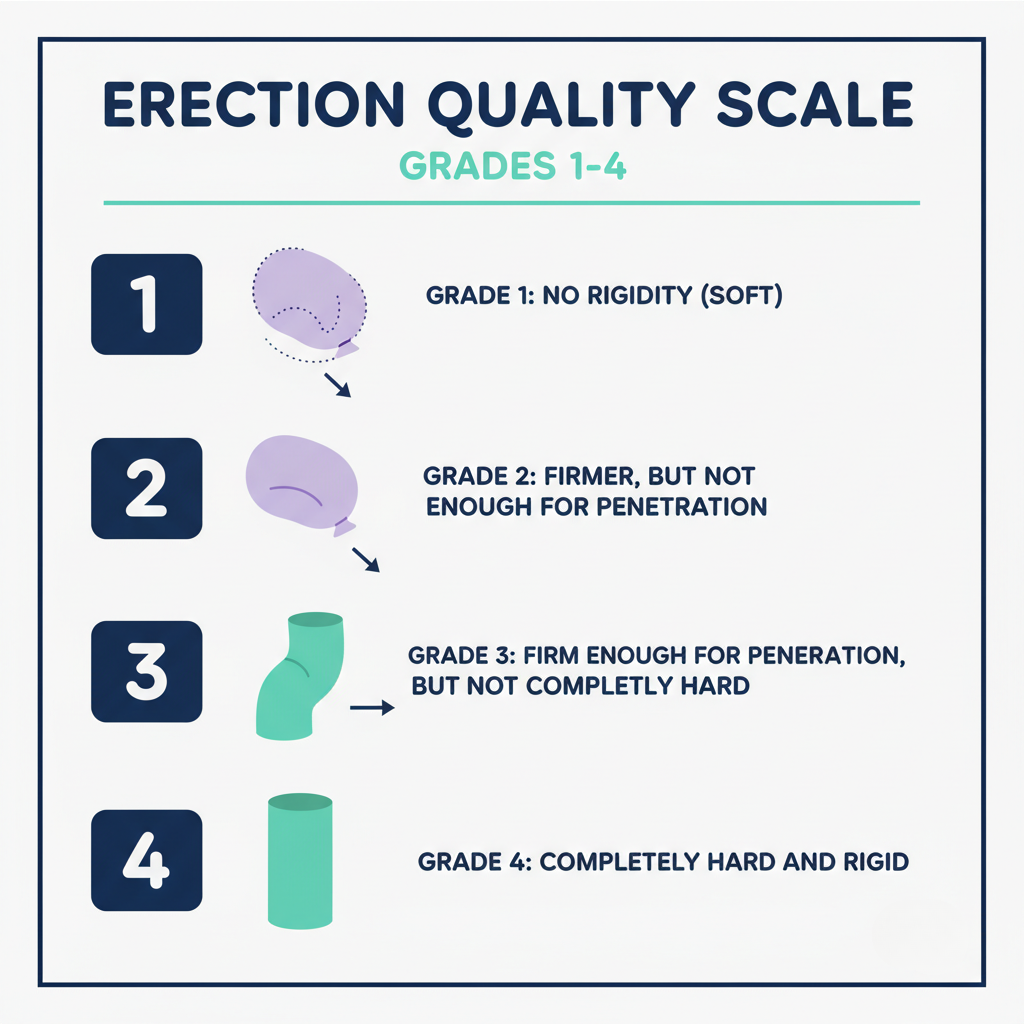
An infographic titled 'Erection Quality Scale' visually representing four grades of penile erection firmness. Grade 1 depicts an erection that is larger than flaccid but still completely soft, unsuitable for penetration. Grade 2 shows an erection that is firmer than Grade 1, but still not hard enough for penetration. Grade 3 illustrates an erection that is hard enough for penetration, but not completely hard or fully rigid. Grade 4 displays a fully rigid, completely hard erection, indicative of optimal firmness for sexual activity. The scale helps individuals assess and communicate their erection quality.

Difficulty achieving or maintaining an erection firm enough for satisfactory sexual activity is a common concern that affects individuals differently, but it's always important to you. This is often referred to as Erectile Dysfunction, or ED.

Whether this is something new, has been happening for a while, or only occurs in certain situations, understanding the underlying causes is the first step towards effective treatment. ED can have various physical or psychological roots, or often a combination of both. It's a highly treatable condition, and help is readily available.


Want to understand more about ED? We have a detailed, dedicated guide covering everything you need to know about Erectile Dysfunction – from common causes and how we diagnose it, to the wide range of available solutions and how to choose the right one for you.

I ejaculate too soon

If you or your partner feel you are finishing too quickly, you may have Premature Ejaculation (PE). It is one of the most common sexual complaints men face. It can be lifelong or start suddenly later in life. It significantly impacts confidence, but effective medical and behavioural treatments exist.

We recognise that PE can manifest in different ways – some experience it consistently from their first sexual experiences (lifelong PE), while others develop it later in life after periods of normal control (acquired PE). Regardless of the type, my aim is to provide clear explanations, effective strategies (including behavioural techniques and medication options), and tailored treatment plans to help you regain control and confidence, improving your sexual wellbeing.


A Bend, Curve, or Lump in the Shaft (Peyronie’s Disease)

Is your penis curving when erect? Do you feel a hard lump or "plaque" under the skin? Does it hurt when you get hard?

While many penises have a natural slight curve when erect, a noticeable bend or curvature that develops over time, especially if accompanied by pain, hardness (often feeling like a 'plaque' or hard lump just under the skin on the shaft), shortening, or loss of firmness in part of the erection, could be a sign of Peyronie’s disease.

Peyronie's disease is a non-cancerous condition resulting from scar tissue (plaque) formation within the tunica albuginea (the tough casing around the erection chambers) of the penis. It can cause significant distress, anxiety, and impact sexual function due to pain or inability to penetrate. Thankfully, there are effective medical and surgical treatments available, and it's vital to be assessed to confirm the diagnosis and discuss options.


Think you might have Peyronie's Disease? We have a comprehensive page dedicated specifically to Peyronie’s disease, explaining its potential causes, typical symptoms (like pain and bending), how we diagnose it, and the range of tailored medical and surgical treatment options available depending on the stage and severity of the condition.

The skin or shape of my penis has changed


Noticing changes in the skin texture, colour, foreskin, or overall shape of your penis can be concerning, triggering worries about potential infections or more serious issues. These changes can range from small lumps or bumps to alterations in the foreskin's function or widespread skin conditions affecting the glans and shaft. While many such changes are common and ultimately benign (not harmful), getting an accurate diagnosis from an experienced specialist is always important for peace of mind and appropriate management.

Changes you might notice that warrant evaluation include:

    • Lumps or Firm Areas Under the Skin: These could be common and benign findings such as epididymal cysts (small, fluid-filled lumps near the epididymis at the back of the testis), sebaceous cysts (small bumps from blocked oil glands, often on the shaft), or scar tissue/plaques (like the initial stage of Peyronie's disease). Pearly Penile Papules (small bumps around the glans) are also very common and completely normal. While most lumps are harmless, any new or changing lump should be assessed, particularly if it feels firm or is growing.
    • Changes in Skin Texture or Colour: Conditions like lichen sclerosus (often called balanitis xerotica obliterans or BXO when it affects the glans and foreskin) are relatively common inflammatory skin conditions that can cause distinct white, thickened, scarred, or fragile patches of skin, particularly around the glans and foreskin, or sometimes further up the shaft. This can lead to symptoms like itching, pain, tearing, tightness of the foreskin (phimosis), or narrowing of the urethral opening. Other rashes, irritations, or discolouration can also occur due to allergies, infections (fungal like thrush, bacterial, or viral like genital warts), or inflammatory conditions.
    • Foreskin Issues: A foreskin that is difficult or impossible to retract fully (phimosis) can be present from birth or develop later in life. Acquired phimosis can be caused by chronic inflammation, infection, or underlying skin conditions like lichen sclerosus. It can lead to hygiene problems, recurrent infections (balanitis), pain during erection, tearing, or difficulty/pain during sexual activity. Conversely, if the foreskin is retracted and gets stuck behind the glans (paraphimosis), this causes swelling and pain and requires urgent medical attention to prevent tissue damage.
    • Overall Changes in Shape or Size: Beyond the specific curvature of Peyronie's disease, persistent swelling, generalised inflammation, asymmetry, or concerns about perceived size or appearance can all be reasons for consultation.

While many of these issues are common and usually not indicative of serious disease, it is always best to get any new or concerning change reviewed by a doctor experienced in genital health to get a proper diagnosis and discuss any necessary treatment or management strategies. Self-diagnosis can cause unnecessary anxiety.

Red Flag Symptoms: When to Seek Urgent Medical Advice

If you notice any of the following concerning changes on your penis, please do not delay seeking medical attention. While most penile changes are benign, these specific signs could be warning symptoms of penile cancer, a rare but serious condition. Catching any serious condition, including penile cancer, in its early stages can make all the difference to the outcome and treatment options.

    • A persistent sore, ulcer, or lesion on the penis (glans, foreskin, or shaft) that does not heal within 2-3 weeks.
    • Any unexplained bleeding from the penis, particularly from a lesion or the foreskin margin, or a persistent foul-smelling discharge coming from under the foreskin or from a lesion.
    • A new, abnormal thickened area of skin, a firm or hard lump, or a wart-like growth on the penis that appears unusual or is growing.
    • Persistent changes in the colour of the skin on the glans (tip) or foreskin that seem concerning, are changing in size/shape, or are different from your normal skin.
    • Persistent or unexplained swollen lymph nodes in the groin, especially if they feel hard or painless and are associated with any changes on the penis.

If you experience any of these specific symptoms, please book an urgent appointment to have them evaluated, contact your GP or go to A&E. Don't feel embarrassed or hesitant; seeking timely advice is the single most important thing you can do for your health. It’s always better to check.


Penetration is difficult or painful for me.

Experiencing pain during sexual penetration, or finding penetration difficult for reasons beyond getting or keeping an erection, can be distressing and impact intimacy significantly. It's a concern that requires understanding, as the cause isn't always immediately obvious and can range from physical issues with the penis itself to psychological factors, or even factors related to a partner.

Potential causes of pain or difficulty specifically with penetration can include:

    • Peyronie's Disease: If present, the curvature, shortening, or associated pain/discomfort from Peyronie's can make penetration physically difficult or painful for you or a partner. (See our dedicated page on Peyronie's Disease).
    • Frenulum Breve: A short or tight frenulum (the elastic band of tissue connecting the foreskin to the underside of the glans) can cause a pulling sensation, tearing, bleeding, or pain during erection or penetration due to excessive tension. This is a common and often easily treatable cause.
    • Scarring: Scar tissue on the shaft, glans, or around the urethral opening from prior injuries, surgeries, infections, or conditions like lichen sclerosus can cause rigidity, inflexibility, or narrowing that makes penetration painful or difficult.
    • Inflammation or Infection: Balanitis (inflammation of the glans), posthitis (inflammation of the foreskin), or balanoposthitis (inflammation of both) can be caused by infection (fungal like thrush, bacterial), irritation, or underlying skin conditions, leading to soreness, redness, swelling, and pain during sexual activity. Sexually transmitted infections can also cause pain or discomfort.
    • Urethral Issues: Inflammation or scarring (stricture) within the urethra (the tube urine and semen pass through) can cause pain during ejaculation, but sometimes also contribute to discomfort during erection or penetration.
    • Lack of Arousal or Lubrication: Insufficient arousal can lead to erections that are not fully rigid, potentially causing buckling, bending (sometimes mimicking Peyronie's sensation), and pain during attempted penetration. Inadequate natural or artificial lubrication for one or both partners can cause friction and discomfort.
    • Psychological Factors: Performance anxiety, fear of pain, stress, past negative sexual experiences, or relationship issues can significantly impact sexual response and lead to physical symptoms including perceived difficulty or pain with penetration. Addressing the psychological aspects is often a key part of successful treatment.
    • Partner Factors: It is important to acknowledge that pain during penetration or difficulty completing intercourse can also be related to a partner's experience, such as conditions like vaginismus (involuntary tightening of the muscles around the vagina), vulvodynia (chronic vulvar pain), or other painful sexual conditions they may be experiencing. In some cases, a holistic perspective considering both partners' sexual health and experiences may be necessary and is part of a respectful, inclusive approach to sexual wellbeing.

Finding the exact cause often requires a thorough history, physical examination, and sometimes specific tests. Please don't suffer in silence or feel embarrassed about this; painful or difficult penetration is a very real and often treatable issue that we can investigate together.


FAQs

1. Is it normal for my penis to have a curve when erect?

Yes — a slight curve of the penis during erection is common and usually falls within the range of normal anatomy. Many men have a natural bend upwards, downwards, or slightly to the side.
However, if the bend is significant, has appeared recently (especially after minor injury or sex), is worsening, causes pain, interferes with penetration, or is associated with a hard lump under the skin (a plaque), it may suggest Peyronie’s disease.
Learn more about penile curvature (Peyronie’s Disease)

2. Should I be worried about a small lump under the skin of my penis?

Most small lumps on the penis, scrotum, or genital area are harmless — such as epididymal cysts, sebaceous cysts, or normal variants like pearly penile papules or Fordyce spots.
Still, any new lump, sore, or skin change that persists, bleeds, grows, or looks unusual should always be checked promptly by a healthcare professional. Persistent changes can occasionally indicate something more serious.
→ See the section on penile skin & shape changes
→ Read the Red Flag Symptoms Warning for urgent signs

3. Can premature ejaculation be treated effectively?

Absolutely. Premature Ejaculation (PE) is very common and, for most people, highly treatable.
Treatment may involve:

    • Behavioural techniques (e.g. stop-start)
    • Psychosexual counselling
    • Topical anaesthetic creams/sprays
    • Oral medication such as SSRIs (used off-label for PE)

A consultation helps determine which combination of approaches suits you best.
Read about ejaculating too soon
Visit the dedicated Premature Ejaculation page

4. Are painful erections always a sign of a serious problem?

Not always. Painful erections may result from:

    • Tight foreskin (phimosis)
    • Short frenulum (frenulum breve)
    • Inflammation or scarring (balanitis, posthitis)
    • Peyronie’s disease (pain with curvature)

However, severe or prolonged pain with an unrelieved erection (priapism) is a medical emergency. Persistent or recurring pain should always be evaluated by a specialist.
Learn more about pain with penetration
Find out about Peyronie’s disease

5. What should I do if I notice a persistent sore or growth on my penis?

Any sore, ulcer, lump, or growth on the glans, foreskin, or shaft that does not heal within two to three weeks must be reviewed by a doctor — ideally a urologist experienced in genital skin conditions.
Most persistent lesions are benign (e.g. infections or inflammation), but some could represent early penile cancer, where early diagnosis is crucial.
→ Check the Red Flag Symptoms Warning

6. When should I seek urgent medical attention?

You should seek immediate or urgent review if you notice:

    • A persistent sore or lesion not healing after 2–3 weeks
    • Bleeding from the foreskin or a penile lesion
    • New thickened or wart-like growths
    • Persistent colour change on the glans or foreskin
    • Severe unrelieved pain with erection (priapism)

→ Review Red Flag Symptoms

References

    1. European Association of Urology (EAU) Guidelines on Male Sexual Dysfunction and Reconstructive Urology (2024 Edition).
    1. British Association of Urological Surgeons (BAUS). Information about your penile condition: Peyronie’s disease. Leaflet No. A24/088, review due Sep 2026.
    1. Terrier JE, Nelson CJ. Peyronie’s disease: Contemporary evaluation and management. Int J Urol. 2020;27(6):504-513.
    1. Nehra A et al. Peyronie’s Disease: A Review of Etiology, Diagnosis, and Management. J Sex Med. 2015;12(8):1764-1779.
    1. Bella AJ, Lee JC, Carrier S et al. Standard operating procedures for penile duplex ultrasound. J Sex Med. 2013;10(1):174-8.
    1. Chung E. Peyronie’s disease: Epidemiology, genetics, pathophysiology, diagnosis and work-up. Transl Androl Urol. 2016;5(3):280-289.
    1. EAU Guidelines on Premature Ejaculation and Erectile Dysfunction, 2024 update.
    1. NICE Clinical Knowledge Summaries (CKS): Erectile Dysfunction, Premature Ejaculation, Phimosis.

Information provided is for educational purposes and does not constitute medical advice. Always consult a qualified healthcare professional.